Last updated November 21, 2026
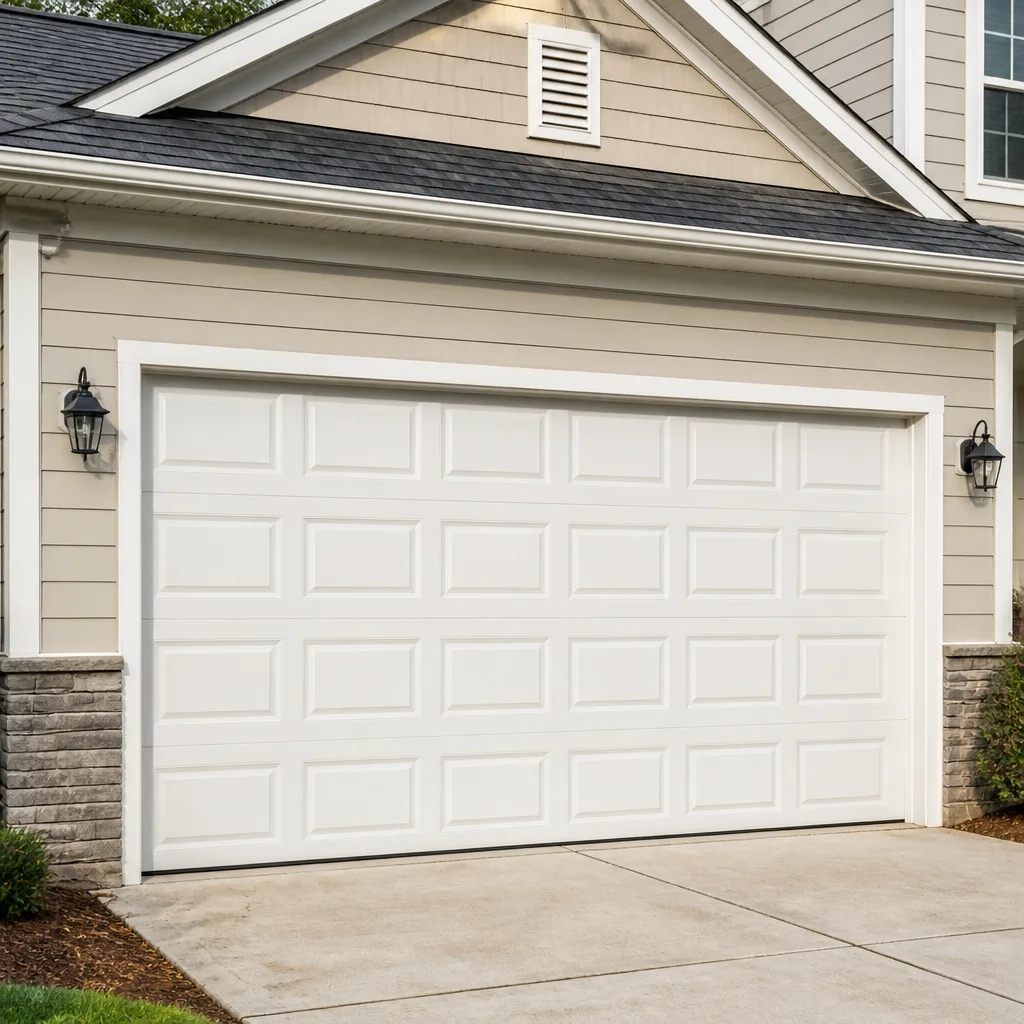 Raised-panel steel
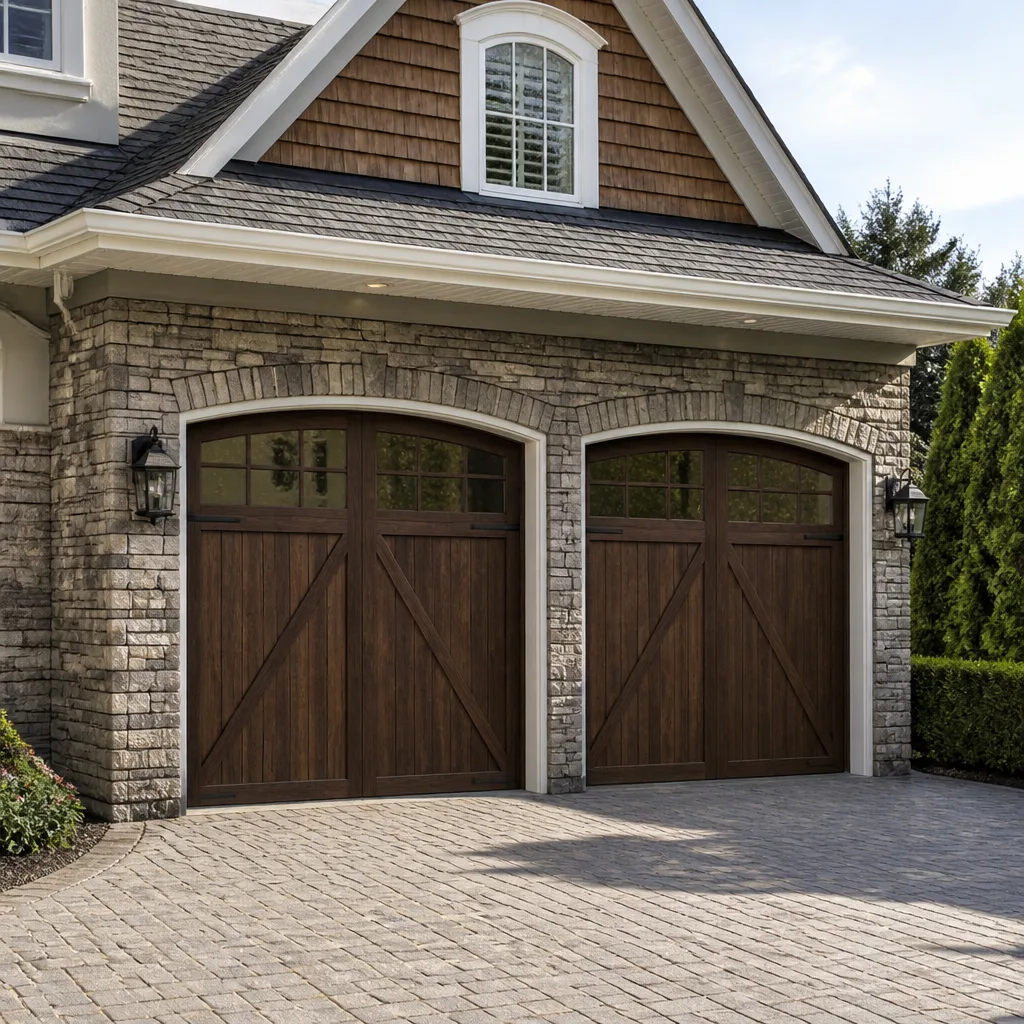 Carriage house
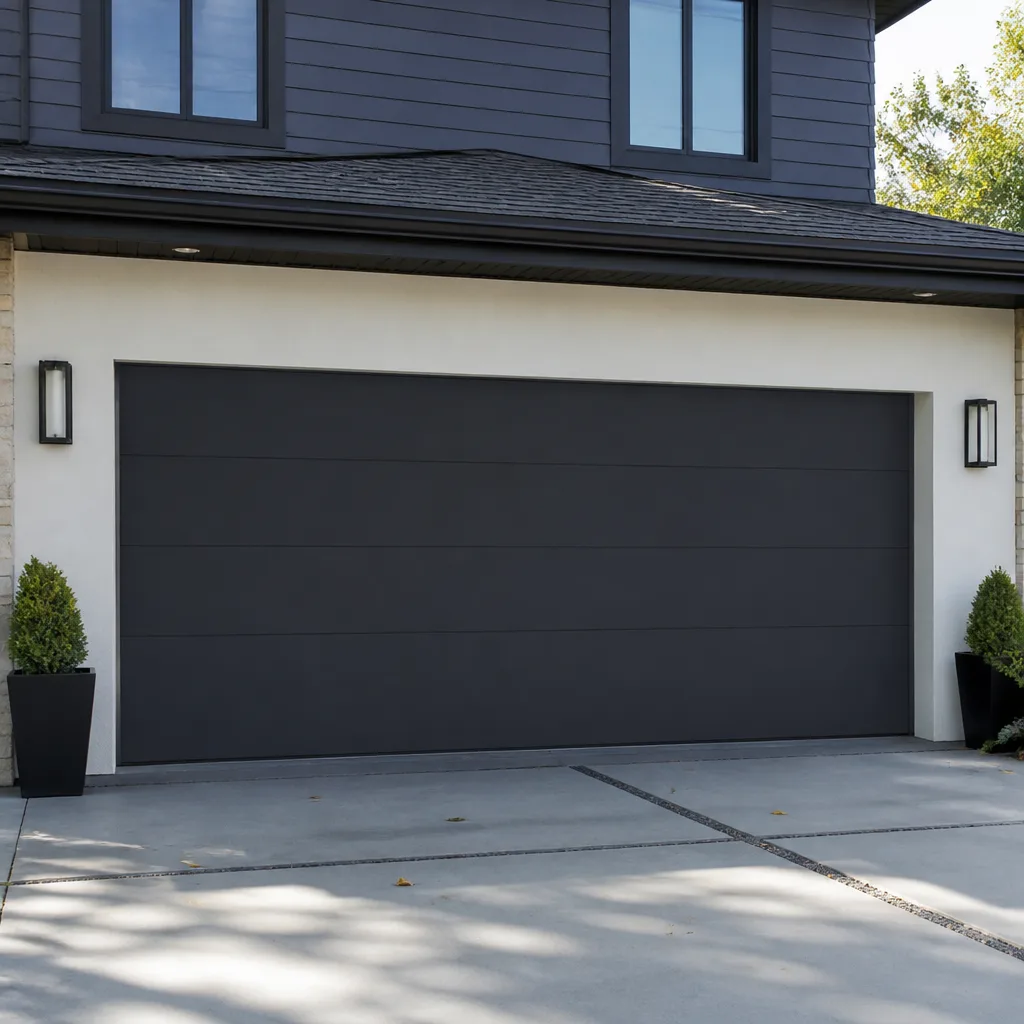 Modern flush
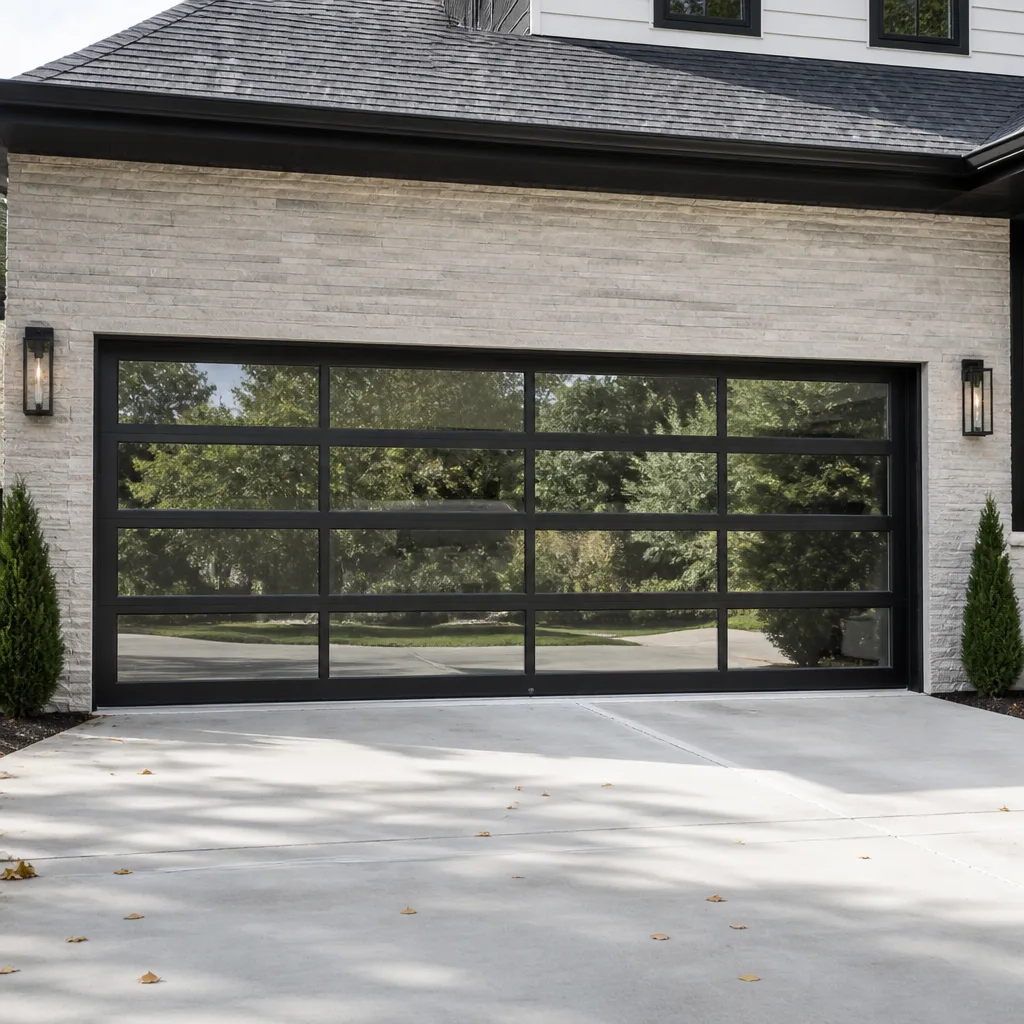 Full-view glass
 LiftMaster openers
 Chamberlain openers
Full 25-point door and opener safety check with every visit - springs, cables, rollers, tracks, and your LiftMaster or Chamberlain opener included
You get a price before we start. It does not change when the pro arrives.
Get your free estimateDIY vs Professional Garage Door: The Kent Homeowner’s Decision Guide
Most garage door advice online splits into two useless camps: “never touch it, call a pro” or “here’s how to swap your springs in an afternoon.” Neither is honest. The truth about working on a garage door in Kent is that it’s a component-by-component decision. Some parts reward a careful homeowner with basic tools. Others store enough energy to break bones if you get it wrong, and no amount of YouTube confidence changes the physics. This guide walks through which is which, what a failed attempt actually costs, how Washington’s permit and insurance picture works for a door replacement, and how to hand a job off to a technician cleanly so you’re not paying for two visits. By the end you’ll know exactly where your skill stops and a pro should start.
Quick Answer
Some garage door work is genuinely safe for a capable homeowner: lubricating moving parts, replacing a bottom seal, reprogramming a remote, and cleaning or realigning photo-eye sensors. Torsion and extension springs, cables under tension, and full track realignment are not safe to DIY. A torsion spring holds enough stored force to cause serious injury if it releases unexpectedly, which is why spring work belongs with a trained technician. Everything in between comes down to your tools, your comfort, and how the door is currently behaving.
Styles & brands we work with
- Raised-panel steel
- Carriage house
- Modern flush
- Full-view glass
- LiftMaster openers
- Chamberlain openers
Table of Contents
- The Four-Question Test Before You Pick Up a Wrench
- What’s Actually Safe to Do Yourself
- What Requires a Trained Technician
- The Real Cost of a Failed DIY Attempt
- The Tool and Skill Inventory You Need First
- Washington Permits, Codes, and Insurance Context
- How to Work With a Technician Efficiently
- Kent Weather and What It Does to Your Door
The Four-Question Test Before You Pick Up a Wrench
Before you open the garage door and start poking around, run through four questions. They’ll tell you in about a minute whether a repair belongs to you or to a technician. In our experience, most homeowners skip this step and either attempt something risky or pay for a visit they didn’t need.
1. Does the repair involve a spring, a cable, or the torsion bar?
If yes, stop. A torsion spring above the door can be under hundreds of pounds of tension even when it looks relaxed. An extension spring along the side has the same stored energy. Cables under that load are just as dangerous. These are not general handyman jobs, and a technician who doesn’t specialize in spring work shouldn’t be touching them either. Spring repair is one of the most technically demanding and dangerous repairs in the trade, and treating it that way isn’t marketing – it’s basic self-preservation.
2. Can you describe the symptom precisely?
A door that won’t close is a different problem than a door that closes and immediately reverses. A door that opens partway and stops is different from one that runs but sounds like grinding. If you can put the symptom in a single clear sentence, you’ll get a faster diagnosis whether you fix it yourself or hand it off.
3. Do you have the right tools, not the almost-right tools?
Winding bars for torsion springs are not something you improvise with screwdrivers. They’re a specific tool for a specific job, and the wrong substitute is how injuries happen. If your tool kit is a general household set, you have what you need for lubrication and sensor work, and not much beyond that.
4. Is this a repair or a replacement?
Repairs sit on a spectrum from easy to dangerous. Replacements – new door, new tracks, new opener – involve code and permit questions that are a separate conversation entirely. A new door in Kent is usually a measure, order, and schedule project, not a same-day fix.
What’s Actually Safe to Do Yourself
There’s a real list of garage door maintenance tasks that belong to a careful homeowner, and doing them consistently prevents a lot of the repairs we get called out for. None of the following require the door to be under tension in a dangerous way, and all of them can be done with standard household tools.
- Lubrication. Hinges, rollers, the bearing plates, and the opener rail all benefit from a proper garage door lubricant (not WD-40 as a lubricant – it’s a solvent). Once or twice a year keeps the door quieter and helps rollers last.
- Bottom seal replacement. The rubber seal along the bottom of the door is a straightforward swap. Slide the old one out, slide the new one in. This one matters in Kent because our wet winters send a lot of water under a worn seal.
- Remote programming. Adding a new remote or reprogramming a keypad is a manual-reading exercise. LiftMaster, Chamberlain, Genie, and Craftsman units each have a slightly different process, and the manuals are all findable online.
- Photo-eye sensor cleaning and alignment. If the door won’t close because the safety sensors are dirty or knocked out of alignment, a soft cloth and a visual check usually solves it. The sensors should face each other at the same height, roughly 6 inches off the floor.
- Track and hardware inspection. Walking around the door and looking for loose bolts, worn rollers, or a track that’s visibly bent is a five-minute task. You’re not fixing anything yet – just noticing.
- Weatherstripping replacement. The trim seals around the opening can be replaced without touching the door’s mechanical system.
A short step-by-step for the safest repair on the list
- Close the door fully and disconnect the opener using the manual release cord.
- Inspect the existing bottom seal along its full length and note how it’s attached – most slide into a channel on the door’s bottom section.
- Measure the door’s width before ordering a replacement seal so you get the right length.
- Slide the old seal out from one end, working it along the channel.
- Slide the new seal into the same channel, starting from one edge and working it across.
- Reconnect the opener and run the door up and down once to confirm the seal isn’t binding.
That’s the ceiling for most DIY garage door work. Anything past it starts to involve stored energy or alignment tolerances that affect how the whole door travels.
What Requires a Trained Technician
The tasks in this section share a property: getting them wrong can hurt you, damage the door, or both. That’s not a scare tactic. It’s the same reason electricians exist for panel work. The tools, the tension, and the sequence all have to be right on the first try.
Torsion and extension springs
Springs counterbalance the door’s weight. A torsion spring above the door is wound to a specific number of turns for the door’s weight and height, and it’s held in place by set screws and winding hardware. If the spring is under tension and the wrong thing slips, the release is sudden and violent. A snapped spring during a repair can whip the winding bar and cause serious injury. This is why spring replacement is a standalone specialty. Generalists often avoid it or outsource it, and that reluctance is well-earned.
Cables
The cables run from the bottom corners of the door to the drums at the top of the torsion shaft, and they carry a share of the door’s weight. Cables are only safe to handle when the spring tension has already been released, which means the sequence for a cable repair starts with the spring. Homeowners who go after a cable first are effectively handling a live component.
Track realignment and roller replacement
A track that’s been bumped by a car or warped from impact needs to be realigned within a tight tolerance. If it’s off by even a fraction, the door will bind on every cycle, which puts additional wear on the opener and the springs. Roller replacement sounds simple, but the door’s weight has to be supported properly to lift it out of the track.
Opener diagnostics and control board work
A modern opener from LiftMaster, Chamberlain, or Genie has a control board, travel limits, force settings, and often a safety reverse system that has to be calibrated after any repair. When a door behaves erratically (reversing for no reason, stalling, or running past its stop point), the cause is often the opener’s logic, not the door itself. Brand-specific diagnostics matter here. A technician who knows the actual make and model can test the right system in the first pass instead of guessing.
Anything that requires removing the door from its tracks
If the repair calls for lifting the door out of the tracks or removing a section, that’s a two-person job with proper support. A garage door section is heavier than most people expect, and dropping one is a fast way to turn a modest repair into a replacement.
The Real Cost of a Failed DIY Attempt
A failed DIY repair costs more than the repair itself. There are three layers to it: the wasted parts, the damage done to the door or opener in the attempt, and the fact that a scheduled repair turns into an emergency call. Each layer is worth understanding before you decide whether to try.
Layer one: the wasted parts
If you buy a bottom seal and get the wrong profile, you’re out the price of the seal. If you buy a set of springs and install them to the wrong tension, the springs are effectively ruined. Springs are matched to a door’s weight and height, and a set that’s been wound incorrectly doesn’t become usable again with a second attempt.
Layer two: secondary damage
The bigger risk is what a mistaken repair does to the system around it. An opener that’s forced through a binding door can burn out its motor or strip its gears. A door that’s run with a spring that’s not set correctly can damage the cables or warp a track. A misaligned track puts additional force on every other component. In our experience, the repair a homeowner was trying to avoid becomes two or three repairs once the secondary damage is done.
Layer three: emergency call pricing
A scheduled repair is a known quantity. You call, you describe the symptom, you get a time window, and the price is quoted and agreed before any work starts. An emergency call is a different job – the door is stuck, possibly open, and the homeowner is dealing with an access or security problem. Emergency service is worth having available, but it’s not the way you want to enter a repair you could have scheduled.
A quick line-item comparison
- Scheduled repair call: quoted in advance, no urgency premium, flexible timing.
- Emergency service call: priced for the urgency and the disruption the door is causing.
- Failed DIY attempt: cost of parts plus the cost of the eventual repair plus whatever secondary damage happened along the way.
- Injury: not a line item that shows up on a quote, but it’s the one that matters most with spring work.
The Tool and Skill Inventory You Need First
Before you take on any garage door repair beyond lubrication and a bottom seal, take stock of what you have. This is the test we’d run before handing any job to an untrained helper, and it’s the same test you should run on yourself.
Tools that cover the “genuinely safe” list
- A socket set and screwdriver set for hardware and cover panels.
- A soft cloth and a can of garage door lubricant.
- A tape measure for the bottom seal width.
- A stepladder that’s rated for your weight and is on solid footing.
- The manual for your opener (or the model number, which gets you the manual online).
Tools that a spring or cable job requires
- Winding bars of the correct diameter – these are specific to torsion spring work.
- C-clamps for locking the torsion shaft in place.
- Heavy-duty locking pliers.
- A winding diagram for your specific torsion setup.
- A second person for anything that requires lifting a section or supporting the door’s weight.
If you don’t have all five items on that second list, you don’t have what a spring job needs. That’s not a knock on your toolbox. Most households don’t own winding bars, and it’s not a tool you buy for a single repair.
Skill inventory, not just tools
Skill matters as much as hardware. A few honest questions: have you ever worked with something under mechanical tension before? Do you know how to check that a door is properly balanced? Can you tell the difference between a door that’s out of balance and one with a failing spring? If any of those are a no, a spring or cable job isn’t the place to learn. A technician with up to 10 years of experience has done this repair many times, and the safety margin you’re buying isn’t theoretical.
Washington Permits, Codes, and Insurance Context
Permits, codes, and insurance questions come up most often on door replacements and opener installations. Every city in Washington handles permits slightly differently, and Kent is no exception. The safest move before any significant garage door work is to ask the city’s building department directly about what’s needed for your job. We can’t tell you what Kent will require on a specific project, but we can tell you the questions to ask and the way the answers tend to affect homeowners.
When you probably need a permit
Most cities require a permit for a structural change to a garage, and that includes some – but not all – door replacement situations. Structural changes to the opening (widening it, raising the header, moving a post) almost always need a permit. A like-for-like door swap may or may not, depending on the city’s current rules. The building department will tell you. It’s a phone call or a quick form, and it’s worth doing before you order the door.
Why the permit matters for insurance
Homeowner’s insurance is built around known, documented improvements. An unpermitted structural change to the garage can complicate a claim if something goes wrong later, and it can also surface as an issue when you sell the home during an inspection. The door itself usually isn’t the problem – it’s the structural work around it. A code-compliant installation comes with an inspection that documents the work, which is a lot easier to hand to an insurer than a receipt and a shrug.
What unpermitted work actually triggers
The consequences vary by situation and by insurer, which is why we won’t pretend to know how any specific claim would go. What’s consistent is that insurers ask how the work was done and who did it. A permit and an inspection answer both questions in a way that a self-install can’t. That’s a general explanation, not advice – your insurer and the city are the source of truth on your specific case.
What a proper install involves in Kent
A garage door installation starts with a measure of the opening, the door’s weight capacity, and the ceiling clearance for the opener. The door is ordered to spec, which takes time. The install itself involves removing the old door safely, mounting the new tracks, setting the spring tension to the door’s weight, and then checking balance and travel through multiple cycles. If a permit is required, the inspection happens after the install. This is a scheduled project, not a same-day repair, and any installer who tells you otherwise hasn’t measured your opening properly.
Brands and parts availability
Clopay, Amarr, and Wayne Dalton are among the brands we work with, and each has its own panel and hardware profiles. If your HOA requires a specific style or color, that conversation has to happen before the order goes in. Ordering the wrong panel profile is a much bigger problem than ordering the wrong color.
How to Work With a Technician Efficiently
Half the value of a service call is in the handoff. When a homeowner describes the symptom well, the technician can plan the right parts and the right tool kit before arriving. When the description is vague, the first visit becomes a diagnostic, and the repair often needs a second trip once the right part is on hand.
A step-by-step for an efficient call
- Write the symptom down before you call. “Door opens three feet and stops” is more useful than “door is broken.”
- Note when it started. Was it after a power outage, after someone bumped the track, or after a loud noise? The trigger often points to the cause.
- Check for a broken spring. Look up at the torsion spring above the door. A clean break in the coil is visible. Don’t touch it – just note whether it looks intact.
- Test the opener separately. Disconnect the door from the opener using the manual release and lift the door by hand. If it’s easy to lift, the door is balanced and the problem is in the opener. If it’s heavy, the problem is in the door’s spring or balance.
- Have the brand and model handy. The opener’s model number is usually on the back panel or under the light cover. The door’s brand is often on a sticker inside the door.
- Mention any recent changes. A new remote, a new opener, a power surge, a car that kissed the track – all useful context.
- Ask for the estimate to be quoted before work starts. A written price agreed upfront is the standard we work to, and it’s a fair question to ask of any company.
What to expect when a technician arrives
For a garage door repair, expect the technician to run the door through several cycles, test balance, inspect the springs and cables, and check the opener’s travel limits. For a garage door opener repair, expect brand-specific diagnostics. A technician who works on LiftMaster, Chamberlain, Genie, and Craftsman regularly knows what a particular unit’s failure modes look like without having to pull every manual on the shelf. That’s the difference between a diagnostic and a guess.
Kent Weather and What It Does to Your Door
Kent’s wet winters and mild summers shape how garage doors fail here more than most homeowners expect. The door itself is metal or wood, the tracks are steel, and the seals are rubber. All three react to moisture, and the pattern of wet-then-dry cycles we get from fall through spring is hard on a door that isn’t maintained.
What the wet season does
- Bottom seals wear faster and start letting water under the door, which then freezes or pools on the slab.
- Steel track hardware and hinges develop surface rust faster than in a dry climate, which increases friction and puts more load on the opener.
- Wood doors swell slightly in the damp months and can bind against the jambs.
- Rollers with worn bearings get noisier in cold weather, which is often the first thing a homeowner notices.
What the dry season does
Kent’s summers are mild, but the transition from wet to dry is when a lot of seal wear gets noticed because the door starts to rattle against a shrunken seal. Summer is a good time to do the lubrication, check the seals, and inspect the hardware. It’s also the season homeowners in Kent schedule installations, because the door can be left open during the install without rain coming in.
The maintenance list, condensed
- Lubricate hinges, rollers, and the opener rail once or twice a year.
- Inspect the bottom seal at the start of the wet season and replace if it’s cracked or compressed.
- Wipe the photo-eye sensors and confirm they’re aligned.
- Listen for new noises – grinding, squealing, or popping – and note when they happen.
- Look at the springs once a month. A clean break in a coil is the most common failure point.
None of that list requires a technician. It prevents the repairs that do.
Common Mistakes to Avoid
- Attempting a spring replacement without winding bars. Substituting screwdrivers or pliers for the right tool is how serious injuries happen. If you don’t own the correct bars, you don’t have the tools for the job.
- Replacing one spring of a pair. Springs are matched to a door’s weight, and a pair is usually replaced together. A single new spring next to a fatigued old one will wear both unevenly and can leave the door unbalanced.
- Forcing a binding door through its cycle. If the door is sticking, the opener is doing extra work every time it moves. That’s how a modest repair becomes an opener job too.
- Assuming a reversing door is a sensor problem. Sometimes it is. Sometimes it’s a travel limit or force setting on the opener, which is a brand-specific diagnostic. Cleaning the sensors and still seeing the door reverse means the opener needs attention.
- Skipping the permit question on a door replacement. A phone call to Kent’s building department takes ten minutes and saves you a headache at inspection or at claim time later. Ask before you order.
- Ignoring a bottom seal through the wet season. In Kent’s climate, a worn seal lets water under the door and onto the slab for months. The seal is cheap; the water damage isn’t.
- Calling with a vague symptom. “It’s broken” doesn’t tell a technician which parts to bring. A specific description saves a return trip and often a day of waiting.
See the difference
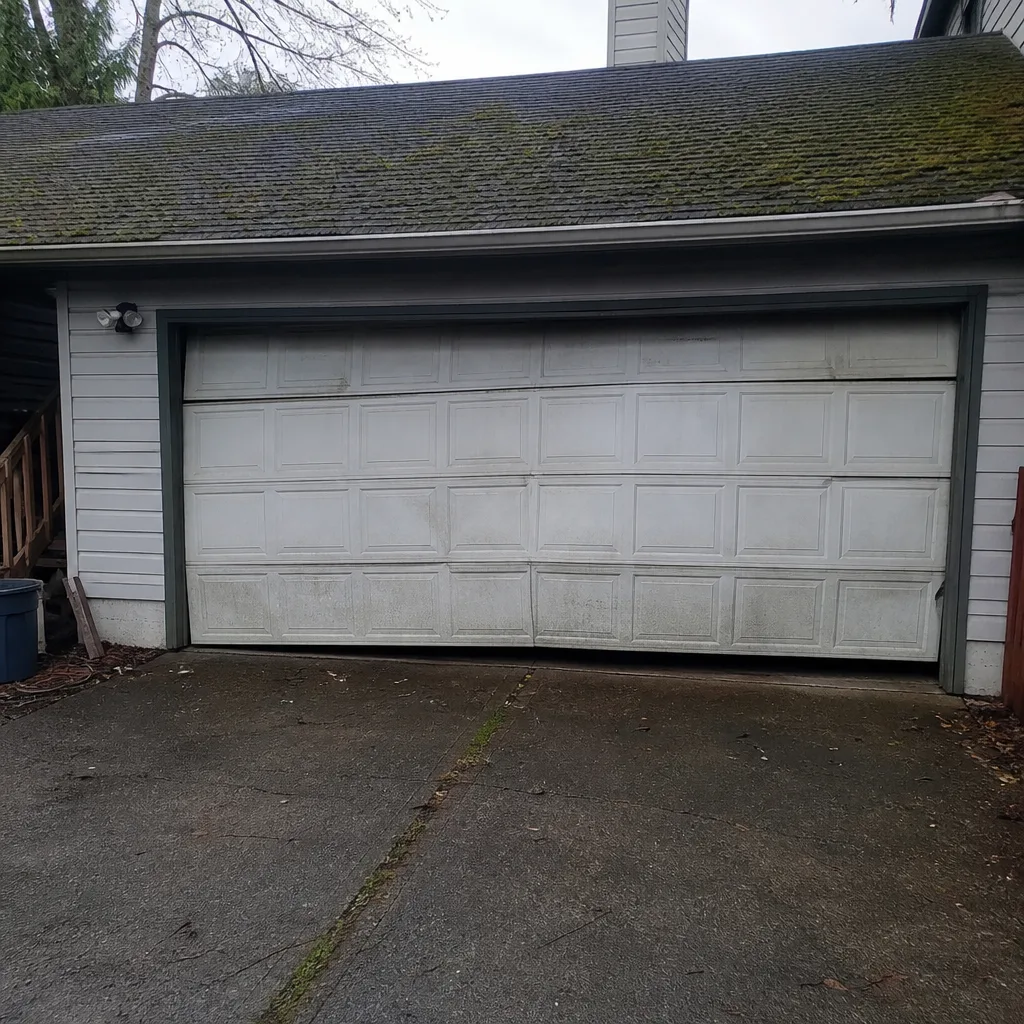 Before
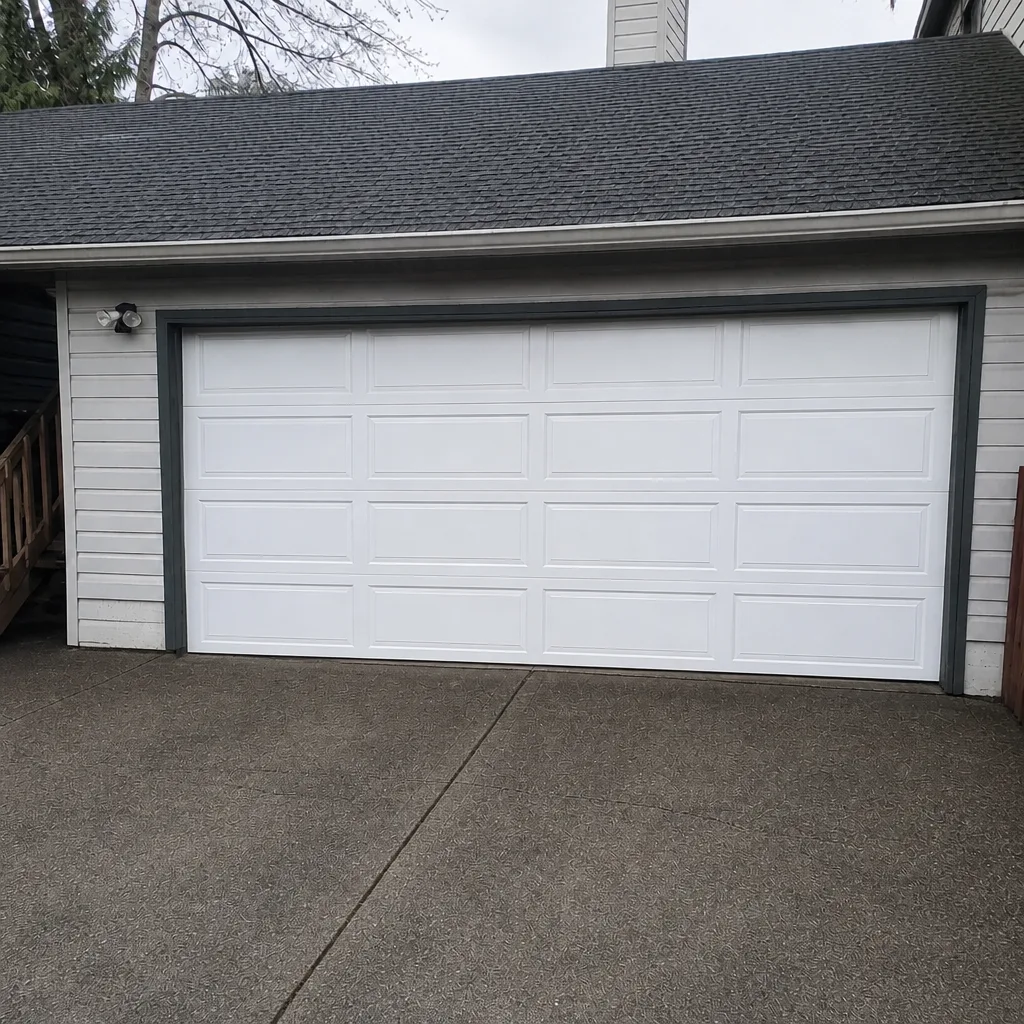 After
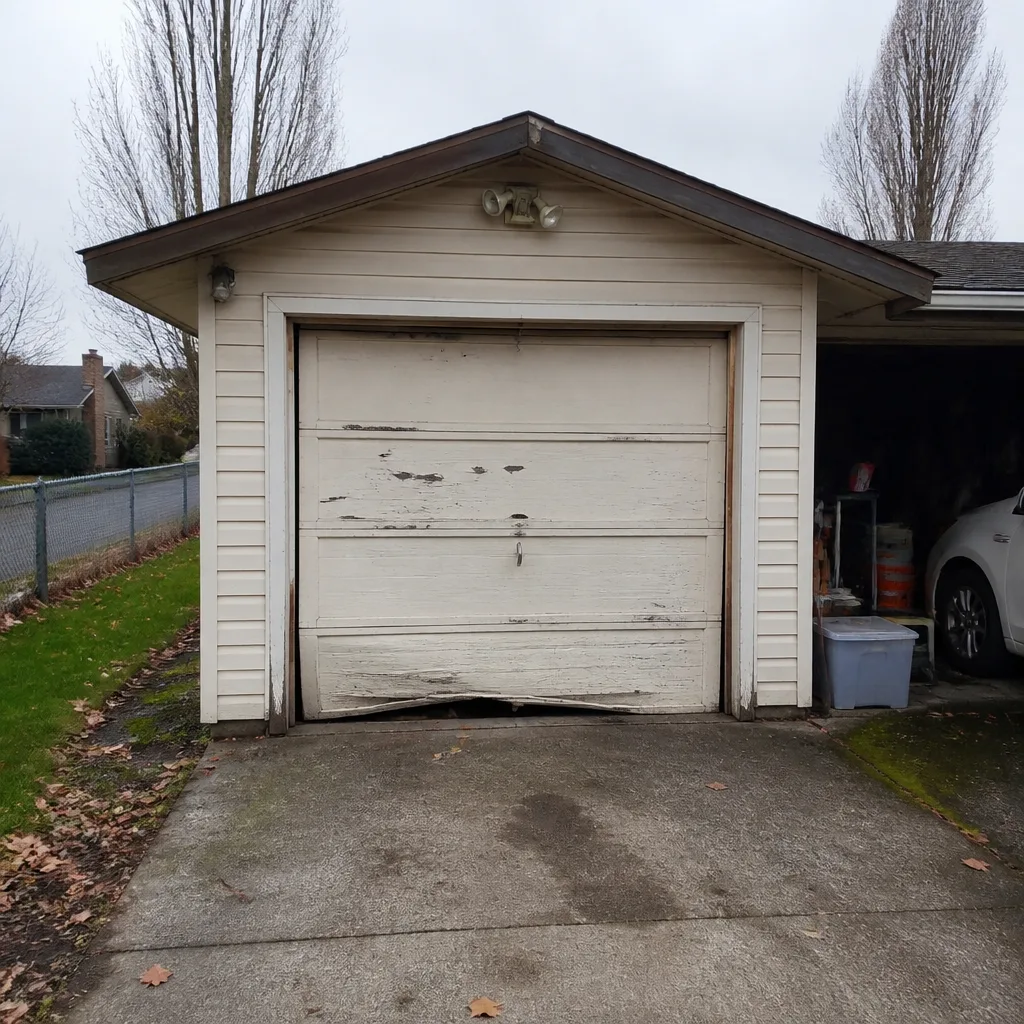 Before
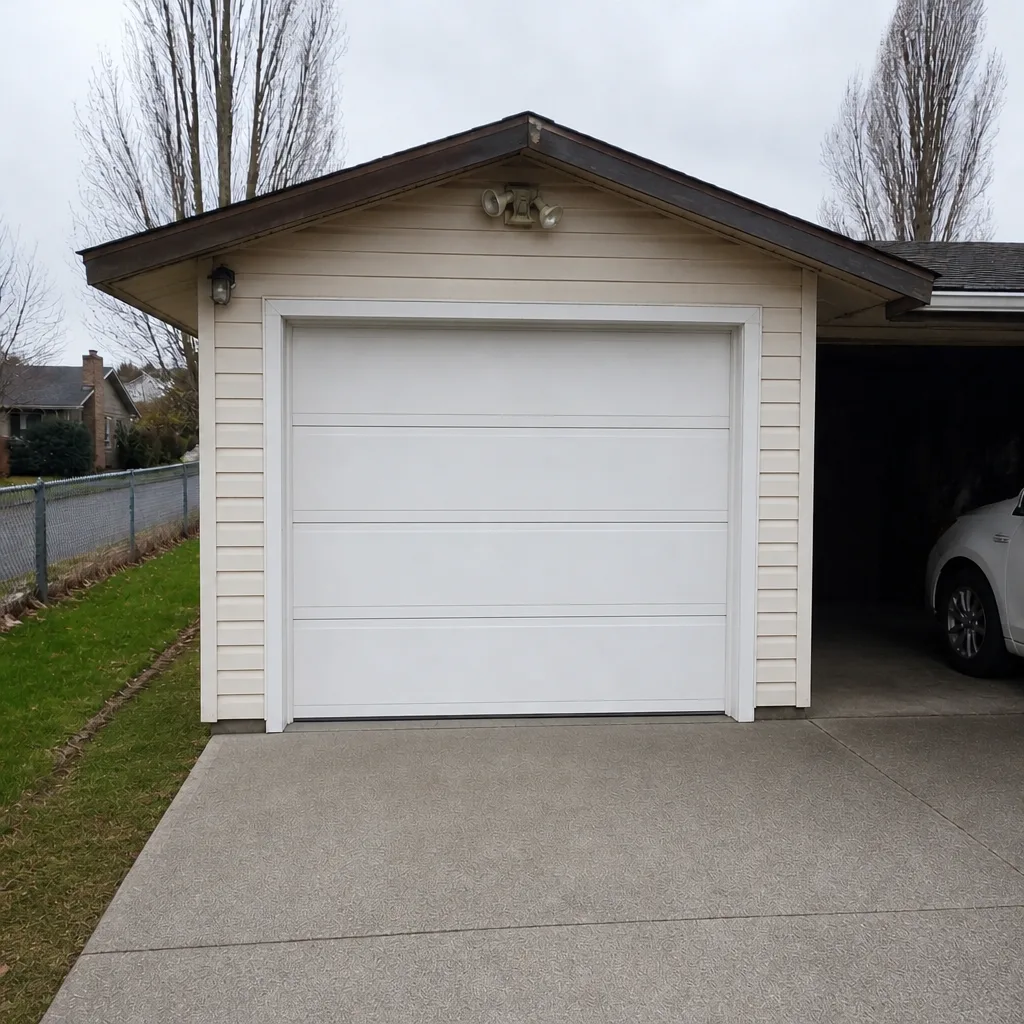 After
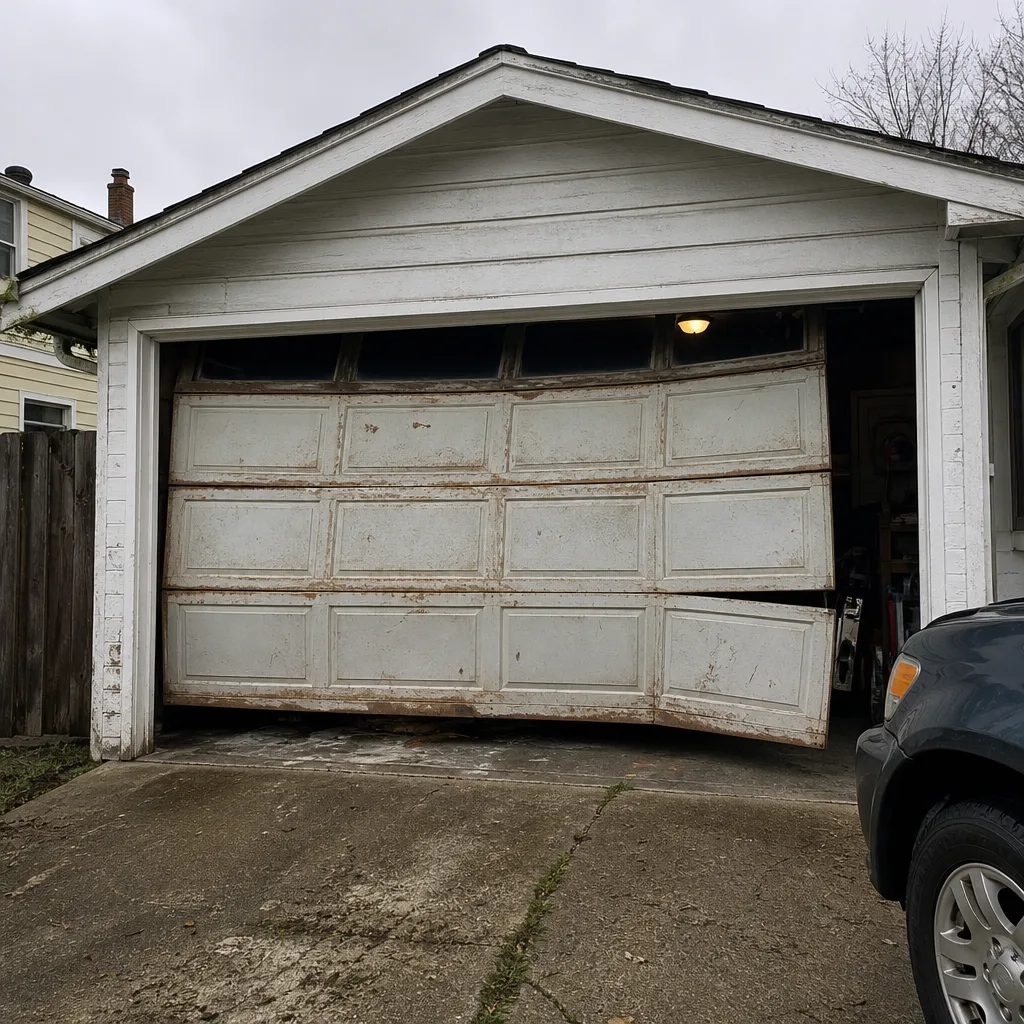 Before
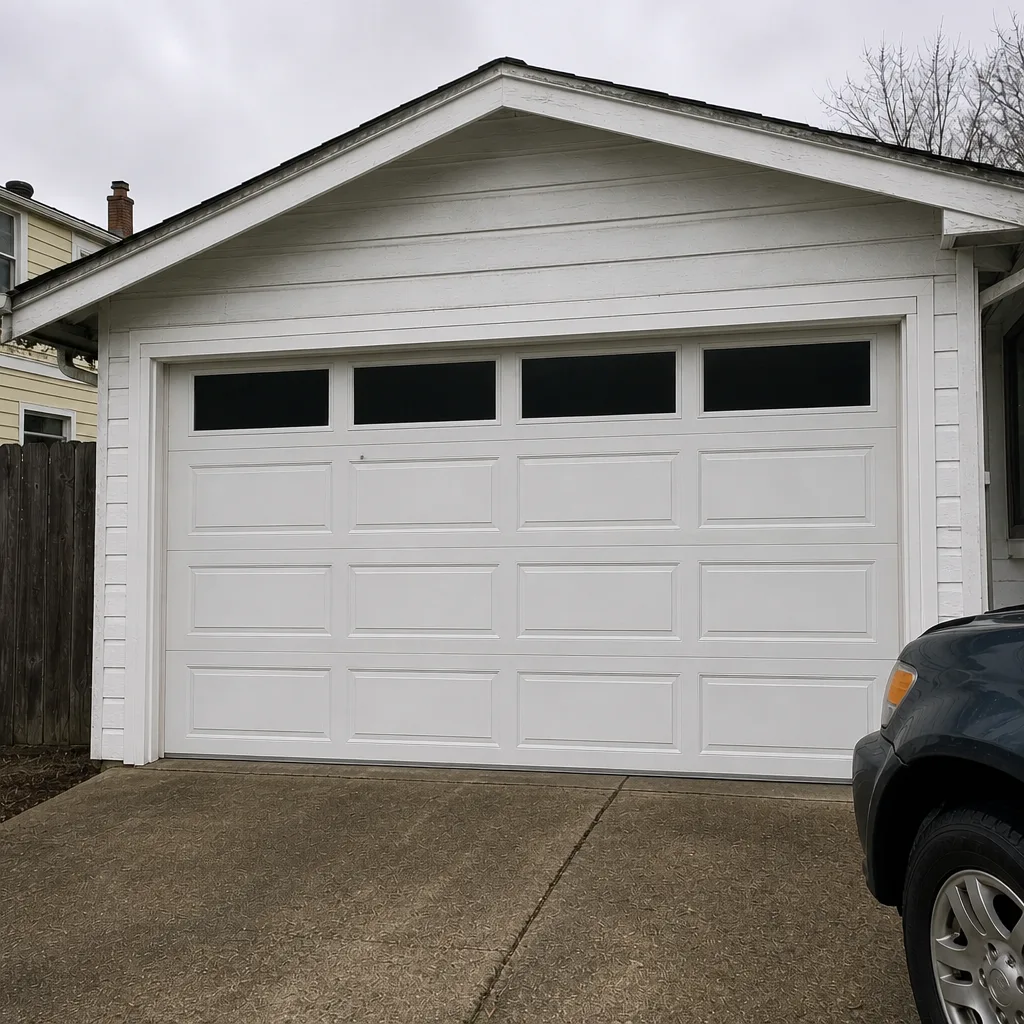 After
When to Call a Professional
Call a professional when the repair involves a spring, a cable, the torsion shaft, or the door coming out of its tracks. Call when the opener is behaving erratically and simple fixes haven’t worked. Call when the door is out of balance, when the track is visibly bent, or when the door won’t close and you’re dealing with an access or security problem. If you’re unsure, describe the symptom and ask. It’s a reasonable question, and a good technician would rather answer it than have you attempt something risky.
Kent Garage Door Repair Pros offers free estimates in Kent and works on LiftMaster, Chamberlain, Genie, Clopay, Amarr, Wayne Dalton, Craftsman, and Raynor systems. Our technicians have up to 10 years of experience, spring repair is a dedicated specialty, and emergency service is available for urgent situations. Call (877) 606-8952 to talk through your door.
Frequently Asked Questions
No, not safely. Torsion and extension springs store enough energy to cause serious injury if released unexpectedly, and the tools involved (winding bars, C-clamps, shaft locks) aren’t household items. In our experience, a spring repair is well worth handing to a trained technician who does it regularly, and the same goes for anything involving a cable under tension.
Spring repair pricing depends on the door’s size, the spring type, and whether one or a matched pair needs replacing, and the written estimate you receive sets the final price. A pair is usually replaced together, so it costs roughly what two single springs do. Call (877) 606-8952 for an exact quote – estimates are free.
Lubrication, bottom seal replacement, remote programming, photo-eye sensor cleaning, and visual inspection of the hardware are all safe for a careful homeowner with basic tools. Anything involving a spring, cable, track realignment, or removing a door section from its tracks needs a technician.
Some installations do and some don’t, depending on whether the structural opening is changing. Ask Kent’s building department about your specific project before ordering. A permitted and inspected install is also easier to document for your insurer than an unpermitted one.
Often yes, because we can diagnose opener problems on-site and many fixes don’t need a special-order part. If the symptom points to a control board or a travel limit issue on your specific brand, the technician can confirm the cause in one visit and quote the repair before any work begins. Call (877) 606-8952 to describe the symptom and get a time window.
No – the price is quoted and agreed before any work starts. The technician inspects the door, explains what’s wrong, gives you a written price, and the repair only proceeds after you agree to it. If something unexpected turns up during the job, you’ll hear about it before any additional work happens.
The local professionals we connect you with are licensed and insured as their state requires, and we recommend asking any garage door company for that confirmation directly. For spring work, it’s also worth asking whether spring repair is a specialty or an outsourced job, because that answer tells you who’s actually doing the dangerous part.
Yes. A door that’s stuck open is an access and security problem, and emergency garage door service is available for urgent situations. Call (877) 606-8952 and describe the door’s position and what happened right before it stopped.
The Bottom Line
Garage door work is a component-by-component call, not a yes-or-no one. Lubrication, seals, remotes, and photo-eye sensors are reasonable weekend tasks for a careful homeowner in Kent. Springs, cables, and anything under tension belong with a trained technician, no exceptions. A failed DIY attempt costs parts, secondary damage, and an emergency call, and the injury risk on spring work is real. If you’re unsure where your repair falls, describe the symptom and ask – most of the answer comes down to whether the component is under load. For anything past maintenance, Kent Garage Door Repair Pros is set up to hand it, from Kent Garage Door Repair Pros service calls through to full installs.
Ready to get your door working again? Call (877) 606-8952 for a free estimate in Kent. We’ll quote the price before any work starts, and we work on the brand you actually own.
Written by the team at Kent Garage Door Repair Pros.