Last updated November 21, 2026
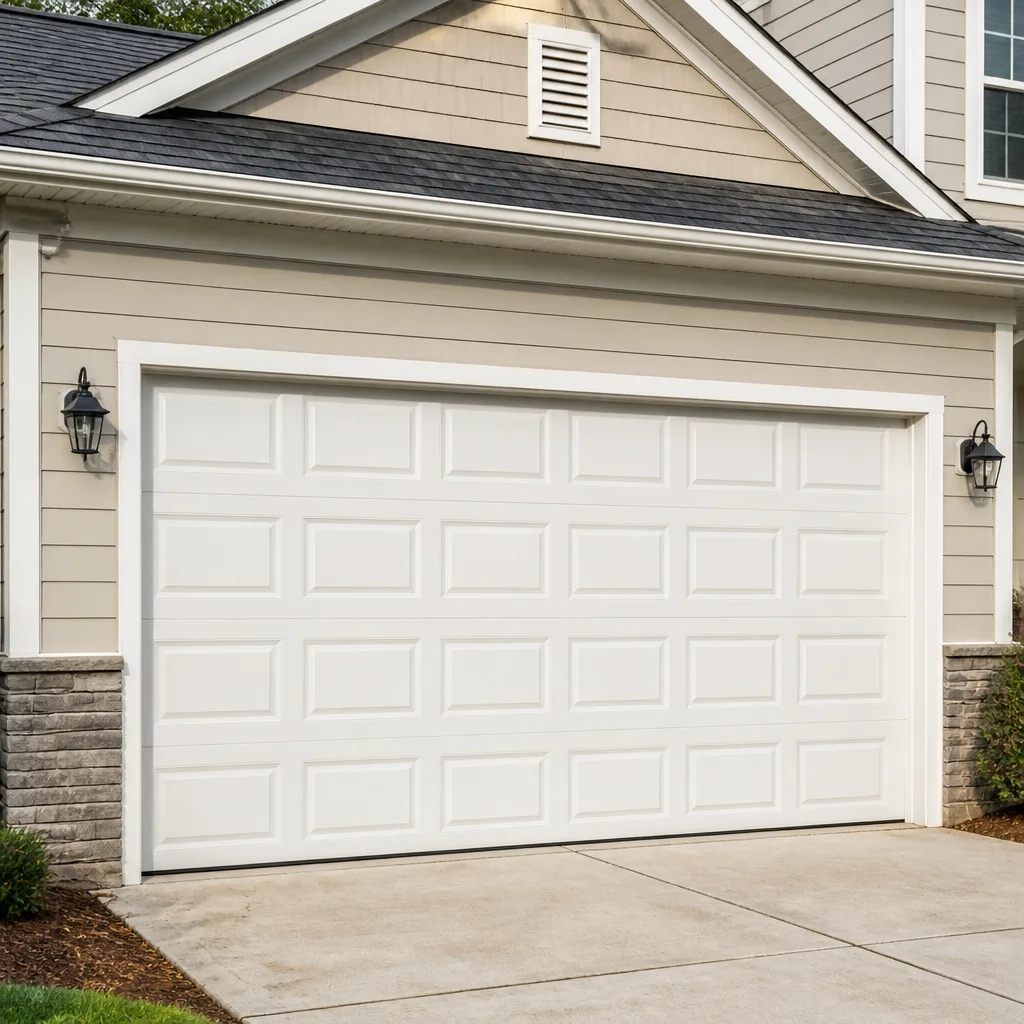 Raised-panel steel
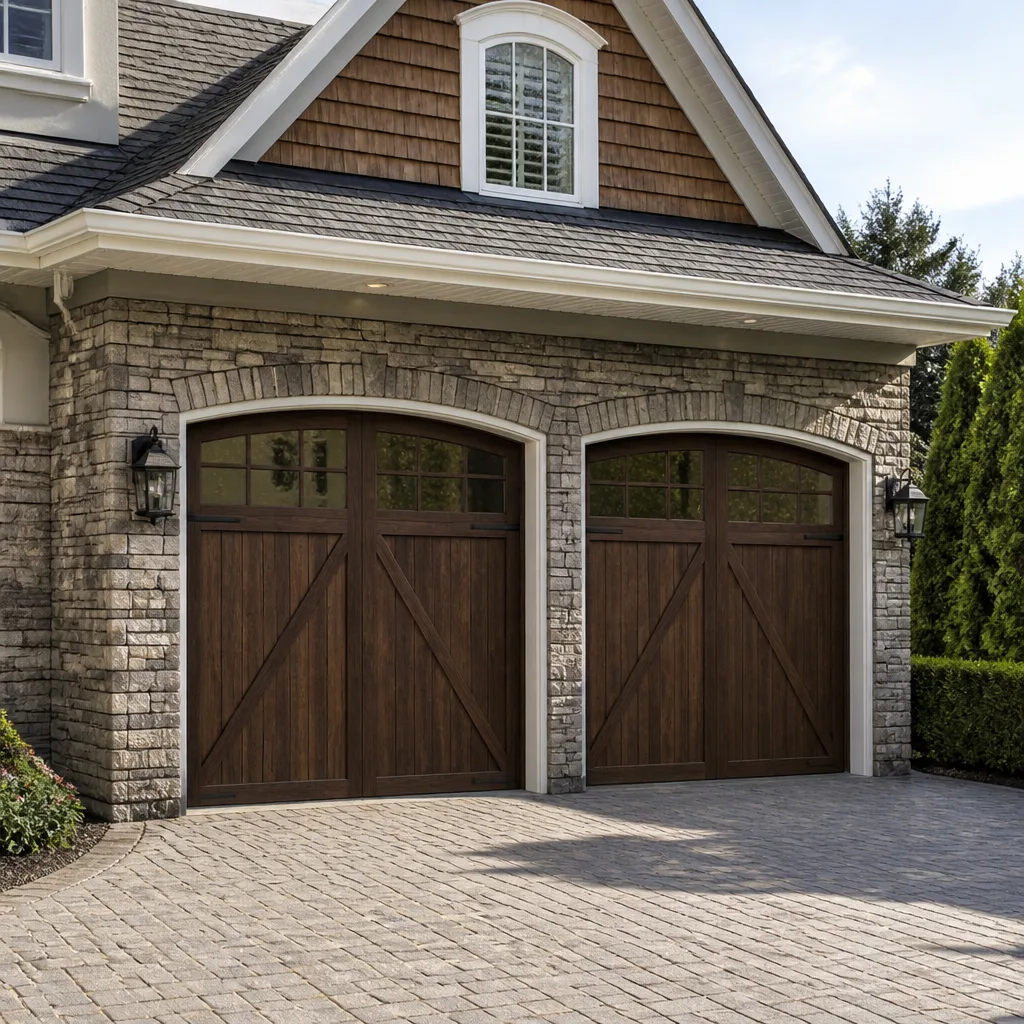 Carriage house
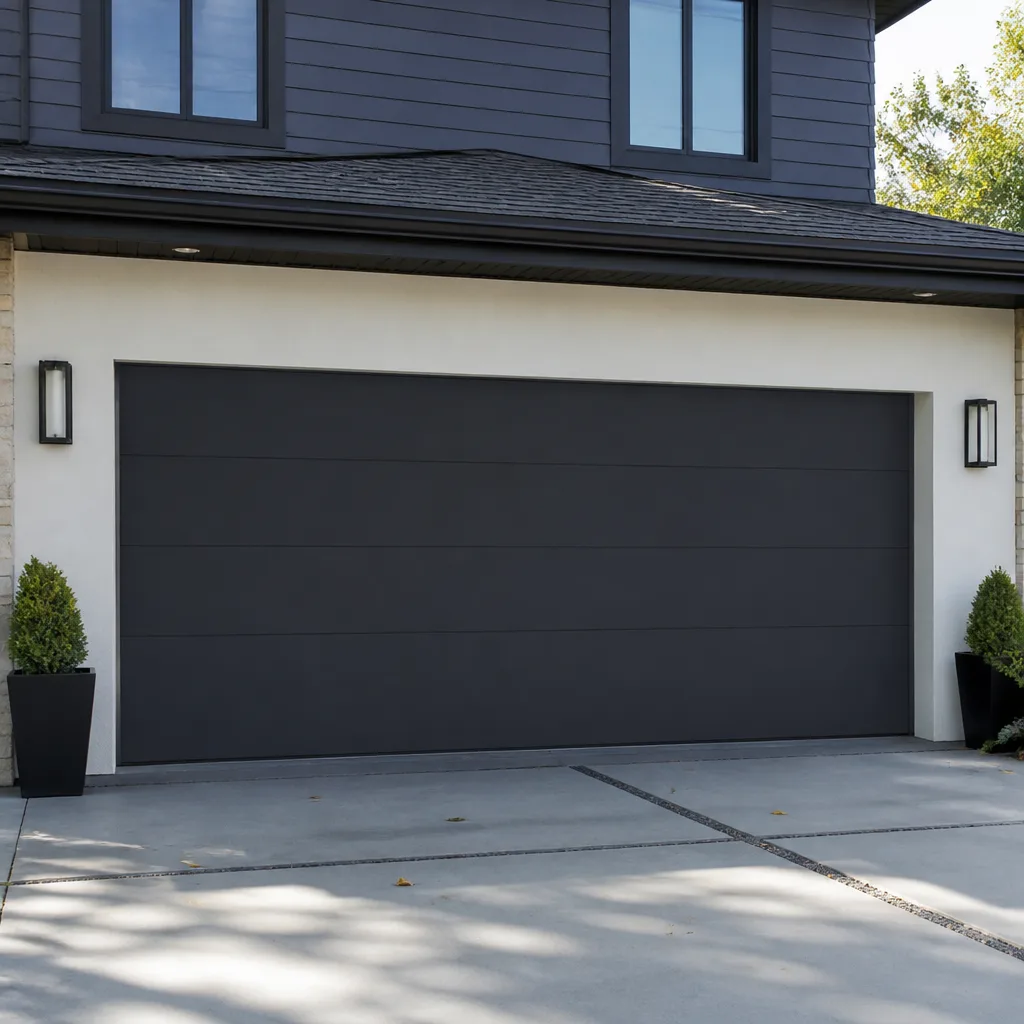 Modern flush
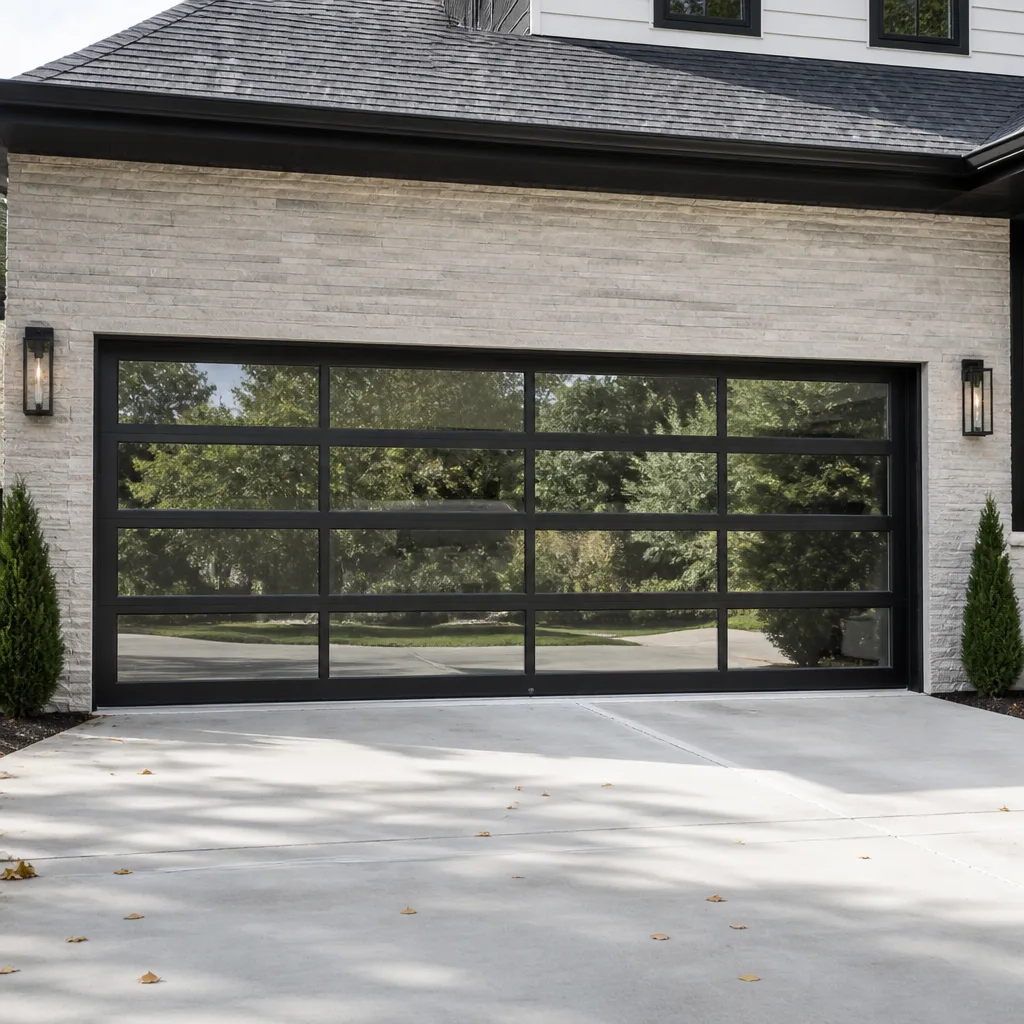 Full-view glass
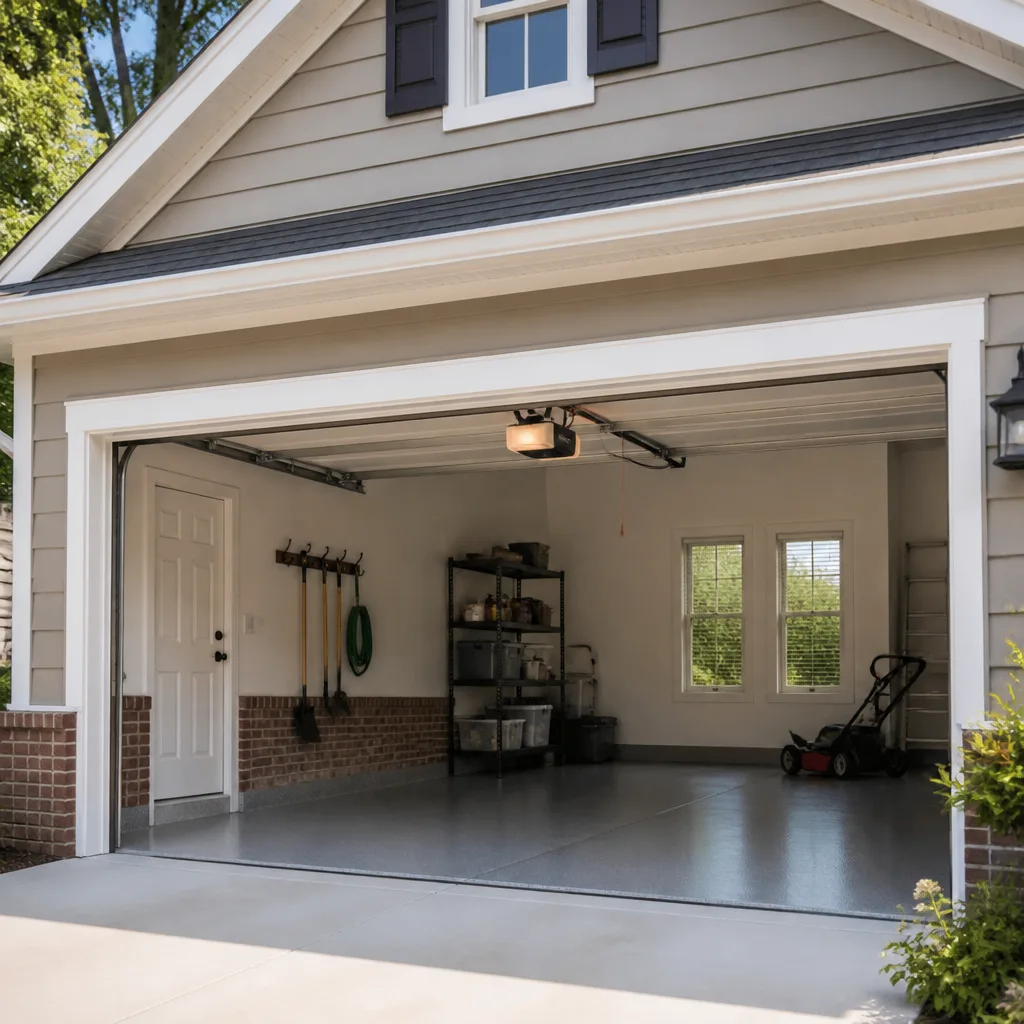 LiftMaster openers
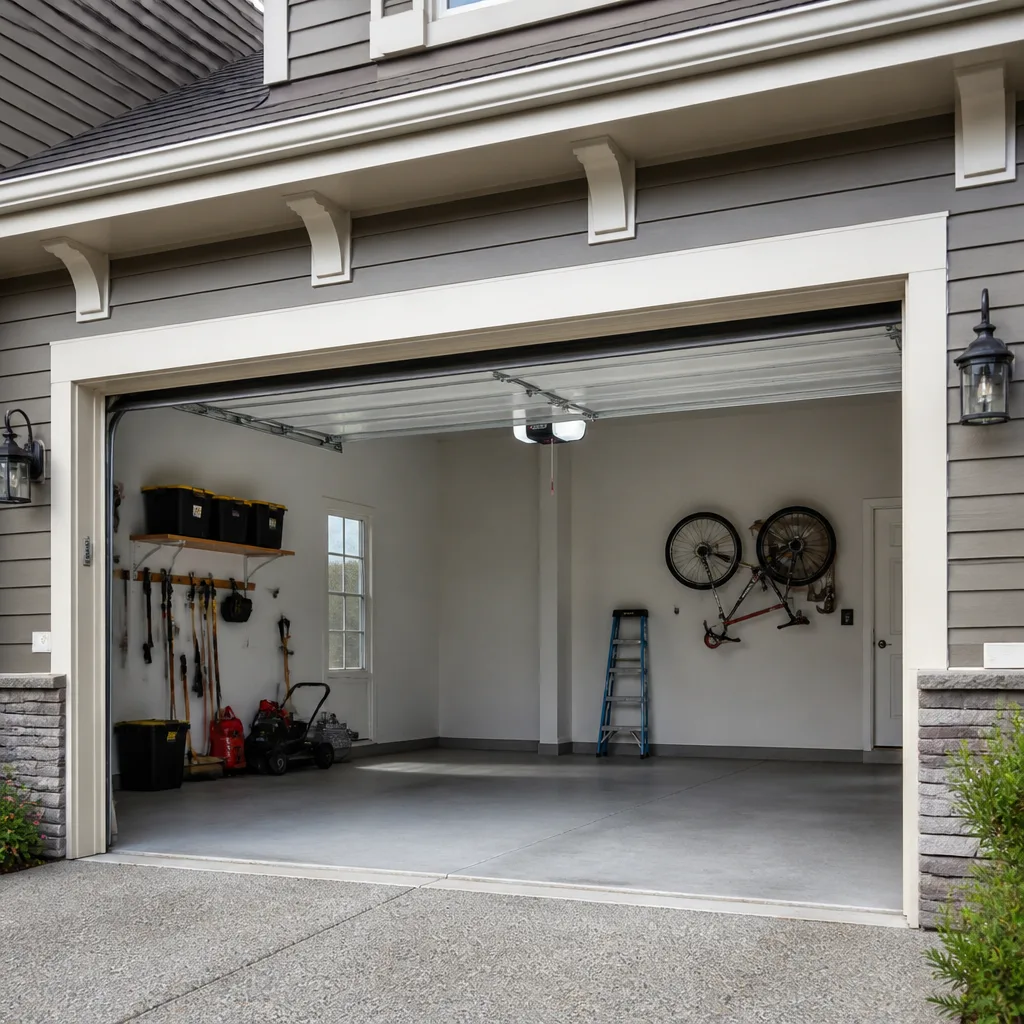 Chamberlain openers
Full 25-point door and opener safety check with every visit - springs, cables, rollers, tracks, and your LiftMaster or Chamberlain opener included
You get a price before we start. It does not change when the pro arrives.
Get your free estimateGarage Door Warning Signs: A Kent Homeowner’s Reference Guide
A grinding noise on the way up usually isn’t the motor. It’s a roller bearing wearing out. A door that closes six inches and reverses usually isn’t a sensor problem. It’s a spring imbalance tripping the auto-reverse. Most garage door failures in Kent announce themselves weeks before they strand your car, and the signals get dismissed as normal quirks until a $15 part turns into a $400 repair call. This guide translates the sounds, movements, and visual cues into plain-language diagnoses with urgency tiers, so you know what to schedule within two weeks and what means stop using the door today.
Quick Answer
Garage door warning signs fall into three categories: sounds (grinding, popping, banging), movements (sagging, hesitation, failing to seat at the bottom), and visible cues (cable slack, rust streaks under rollers, panel bow, weatherstrip compression loss). Grinding usually points to roller bearings or track friction, popping points to a failing torsion spring, and a door that reverses mid-travel points to spring imbalance rather than sensors. Any sign involving a snapped spring, a visibly frayed cable, or a door that won’t stay down is a stop-using-it-today signal – call a technician before operating the door again.
Styles & brands we work with
- Raised-panel steel
- Carriage house
- Modern flush
- Full-view glass
- LiftMaster openers
- Chamberlain openers
Table of Contents
- Decoding the Sounds: Grinding, Squeaking, Popping, Banging
- Movement Signals: Sag, Hesitation, and Doors That Won’t Seat
- Visual Indicators Most Homeowners Overlook
- Urgency Tiers: What to Fix Now vs. What Waits Two Weeks
- How Kent’s Wet Climate Creates Specific Warning Patterns
- Spring Warning Signs and Why We Don’t Recommend Touching Them
- Opener Clues: When the Problem Isn’t the Door
- A Seasonal Inspection Checklist for Kent Homes
Decoding the Sounds: Grinding, Squeaking, Popping, Banging
Sound is the earliest warning signal a garage door gives, and it’s the one homeowners misread most often. The motor is rarely the source. Our technicians have up to 10 years of experience and the diagnostic habit they rely on is simple: isolate where the sound comes from before assuming. A noise that tracks from the roller, the hinge, the spring, or the track each tells a different story, and each carries a different repair.
- Grinding on the way up: Usually the nylon roller bearing wearing out, or the roller housing dragging metal against a dirty, dry track. Often accompanied by a stiff feel at the same point in travel. Moderate urgency – schedule a service visit, don’t ignore it for months.
- Squeaking or high-pitched whine: Friction. Dry hinges, worn rollers, or a torsion tube that needs lubrication at the bearing plates. Simple fix if addressed early, but squeaking left alone accelerates wear on nearby parts.
- Popping or snapping from overhead: This is a loud, sharp pop and often the door appears to jump. On a torsion spring system, that pop frequently signals a spring that’s lost tension or started to fracture. Stop and inspect from a distance – do not put your hands near the spring or cable.
- Banging or thudding when the door hits the floor: The door is hitting too hard or something has come out of adjustment. Could be a bad limit setting on the opener, a worn bottom seal, or a broken spring no longer holding the weight. Treat as urgent until diagnosed.
- Rattling from the door panels themselves: Loose hinges or worn panel attachments. Annoying, not always dangerous, but worth tightening before the vibration loosens a roller stem.
The counterintuitive part: an aging garage door in Kent usually gets noisier gradually. If you’re hearing a grinding noise that wasn’t there three months ago, that’s not a door being “old.” It’s a specific part failing. Diagnose the part first, then decide whether to fix or replace.
Movement Signals: Sag, Hesitation, and Doors That Won’t Seat
Watch the door travel from open to close at least once a month. Movement tells you what sound misses. A door that sags on one side, hesitates at the same spot in travel, or fails to sit fully on the floor is already out of balance, and out-of-balance doors strain springs, cables, opener motors, and hinges simultaneously.
- Sagging on one side: Nearly always a cable tension issue or a spring imbalance. The door is no longer lifting evenly, so the low side drags. Stop lifting the door manually to “help” it – that can worsen cable wear.
- Hesitation at the same point in travel: A specific track section, roller, or hinge is binding. Consistent hesitation is the easiest warning sign to catch because it always happens in the same place. Point at that spot; don’t guess randomly.
- Door reverses mid-close, six to twelve inches off the floor: Homeowners blame the sensors. Actually, spring imbalance pulls the door past the opener’s travel limit, tripping the safety reverse. Sensors are usually a separate, easier diagnosis. If the reverse happens at the same height every time, suspect balance.
- Door won’t fully seat at the bottom: The bottom seal is crushed flat, misaligned, or the travel limit has drifted. This is both a weather and pest problem for Kent homes – a door sitting a half-inch off the slab lets in wind-driven rain and the insects that follow it.
- Door drifts down when you release it half-open: This is the classic balance test. Lift the door by hand about halfway. If it stays put, balance is fine. If it drops, a spring is fatigued or a cable is bad. Cease manual lifting until a technician looks at it.
Movement signals aren’t subtle once you know to watch for them. They’re just invisible if you leave the door running on autopilot every morning.
Visual Indicators Most Homeowners Overlook
The garage door gets looked at dozens of times a day and never actually inspected. Five minutes with a flashlight once a season will catch most of what’s happening. What we’re looking for is not just visible damage but wear patterns that point to an impending failure.
- Cable slack: Both cables should be taut under tension. A cable drooping from the bottom bracket, kinked, or visibly frayed (look for a fuzzy texture on the steel) is dangerous. Stop using the door. Do not touch the cable.
- Rust streaks below rollers: In Kent, red-brown streaks down the inside of the door below a roller usually mean water has been tracking down the panel face and the roller stem is corroding. Catch it before the roller seizes.
- Panel bow: Sight down the door from one side. If the panels flex inward or outward rather than sitting flat, the panel has been strained – typically from a bind, a hit, or spring imbalance. A bowed panel can suddenly crack under tension.
- Weatherstrip compression failure: Run your hand along the bottom seal where it meets the floor. If you can feel daylight or a visible gap at one point, the seal is compressed at that spot. Common after Kent’s damp winter season.
- Loose or wobbly hinges: Grab each hinge plate with a light tug. Any movement means the screws are backing out or the hinge is fatigued.
- Track alignment: Stand inside the garage and look down each track line. The gap between roller and track should be uniform from bottom to top. A track that’s been bumped or warped shows an obvious kink.
- Wall-mounted opener bracket pull-out: Look at where the opener attaches to the ceiling or wall header. A bracket pulling loose from the framing is a serious safety issue – the opener can drop.
If you’re seeing two or more of these at the same time, the door is telling you it needs a full service visit rather than a single-part replacement. That’s when a proper garage door repair assessment matters more than a quick fix.
Urgency Tiers: What to Fix Now vs. What Waits Two Weeks
Not every warning sign is the same urgency, and the worst mistake we see is treating all of them the same way. A squeaking hinge and a frayed cable are both “noises,” but one is a $20 fix and the other is a stop-using-the-door-today safety signal. Here’s the tiered framework to sort them.
Stop using the door today – call for emergency service
- A snapped torsion spring (loud pop, door may now be stuck, opener strains to lift)
- A visibly frayed, kinked, or slack cable (extreme – cables can whip if they fail)
- The door is crooked, coming off the track, or stuck half-open
- The door will not stay down, or falls fast under gravity
- Any bracket or mounting point has pulled loose from framing
- Opener runs but the door doesn’t move at all (strip broken, operator disconnected)
Schedule within two weeks
- Grinding or squealing on travel
- Rust streaks under rollers
- Panel bow without visible damage
- Hesitation at the same point in travel
- Bottom seal compression failure
- Opener light flickering, delayed response, or remote range shrinking
Add to your next service visit
- Loose hinges or minor rattles
- Faded paint on the exterior panel
- Weatherstrip aging at sides and top
- Rollers looking dry but not visibly worn
When in doubt, treat the sign one tier more urgent than you think. A door that drops on someone or crushes a car is a far worse outcome than a diagnostic visit that finds nothing more than a tired bottom seal.
How Kent’s Wet Climate Creates Specific Warning Patterns
Kent’s climate – the Pacific Northwest wet season, morning fog off the valley, and the occasional hard freeze in January and February – puts specific stress on garage door components that drier places don’t see. Knowing these patterns helps you catch failures earlier than a homeowner in, say, Arizona would.
- Surface rust on springs: Torsion springs are bare steel and the Kent damp drives surface rust. Surface rust alone isn’t dangerous, but it accelerates fatigue in a spring already under tension. If you see rust crusting at the coils, have the spring inspected.
- Bottom seal rot: A compressed seal sits in contact with a concrete slab that holds moisture for months. Rubber compounds break down faster here than in dry climates, so the bottom seal is the part most likely to fail first in Kent.
- Freeze-related track warping: Winter nights below freezing followed by daytime thaw can shift the slab slightly, and the door track sitting next to it warps just enough to bind rollers. Track kinks and hesitation in travel often trace back to this freeze-thaw cycle.
- Roller stem corrosion: Water tracking down the inside panel face is common here after wind-driven rain. That track of water reaches the roller stem and starts corrosion that seizes the roller in place.
- Panel delamination on wood doors: Kent’s humidity can separate the skins of a wood composite door from the frame. Panel bow is often the first visible sign.
Wet climate doesn’t mean the door should be loud, squeaky, or slow. It just means the warning signs arrive in specific places. If you’re near Kent East Hill, Fairwood, Panther Lake, or the Mill Creek neighborhoods, one inspection before the wet season and one after is the right cadence.
Spring Warning Signs and Why We Don’t Recommend Touching Them
Torsion and extension springs are under extreme tension stored in the metal, and a spring that releases that tension unexpectedly can cause serious injury. We treat spring repair as a standalone specialty – not because it’s more expensive than a hinge replacement, but because getting it wrong is genuinely dangerous. Understanding the warning signs makes you safer, and understanding why we don’t give step-by-step DIY instructions is part of that.
What to look for:
- A loud pop from the garage followed by a door that won’t lift: Classic broken torsion spring. The door is now dead weight – often 100 pounds or more.
- Visible gap in the spring coil: Look at the torsion spring along the header above the door. A broken spring shows an obvious gap where the coil separates.
- Extension springs without safety cables: If you have extension springs along the horizontal tracks and there’s no steel cable running through the center of each, that’s a serious safety gap. A failing extension spring can whip outward.
- Door feels unusually heavy when lifted manually: If you have to fight the door up, the spring isn’t holding its share of the weight.
- Springs that have lost tension over months: The door still lifts, but the opener strains harder each week. Fatigue is not a failure yet, but it’s the warning.
We don’t publish how to release a torsion spring or how to swap an extension spring safely, and no reputable garage door company should. The tools, the winding procedure, and the danger are all reasons this is a trained-technician job. If you’ve spotted any of the signs above, call us before you use the door again.
Opener Clues: When the Problem Isn’t the Door
About half the calls we route to garage door opener repair turn out to be door problems the opener is reacting to. But the other half are genuinely opener failures, and each brand fails in its own way. Because we service LiftMaster, Chamberlain, Genie, and Craftsman openers, we know the diagnostic path for each platform rather than guessing at what fits.
- Remote works only up close: Weak batteries, an antenna wire that’s been pushed back into the housing, or LED interference. Usually a simple fix, occasionally the logic board.
- Opener runs but door doesn’t move: Either the operator carriage is disconnected (emergency release has been pulled) or the drive gear inside the opener has stripped. LiftMaster and Chamberlain belt drives have a distinctive sound when the gear strips – a whir without movement.
- Up arrow works, down arrow doesn’t (or vice versa): Travel limit or force setting has drifted. Common after a season change in Kent.
- Door reverses immediately after touching the ground: Force setting too low or the bottom seal has swollen with moisture and is tripping the opener. Different from the mid-travel reverse that signals spring imbalance.
- Lights flash a set number of times: Each opener brand uses a diagnostic code. On a LiftMaster or Chamberlain, the number of LED flashes points directly to the fault. That’s the advantage of brand-specific diagnostics: no guessing which code applies.
- Wi-Fi or MyQ app failure: Smart openers from Chamberlain and LiftMaster need occasional firmware care. Sometimes the hub needs a reset, sometimes the module itself has failed.
If your opener is over ten years old and one of these problems has appeared, weigh the repair cost against replacement. A new opener is a smaller job than a new door, and a modern garage door installation with a properly matched operator gives you a clean baseline for years of warning-free service. That’s the decision to bring to the estimate visit – not something to decide on a forum.
A Seasonal Inspection Checklist for Kent Homes
Two short walkthroughs a year catch most of what this guide describes before it becomes an emergency call. Do one in early fall before the wet season settles in and one in spring after the freeze-thaw cycle has finished.
- Sound test: Stand inside the garage and run the door up and down. Listen for grinding, squeaking, popping, or banging. Note the location of each sound.
- Balance test: With the door half-open by hand, release it. It should hold. If it drifts down, spring inspection is due.
- Sight lines: Stand inside and look down each track. Uniform gap from bottom to top. Any kink or twist is a problem.
- Cable check: Both cables taut and un-frayed. No kinks or slack. Do not touch a frayed cable – call a technician.
- Roller and hinge pull test: Tug each hinge and roller housing lightly. Any movement or wobble is a loose fastener or worn part.
- Bottom seal check: Run a hand along the floor contact point. Any visible daylight, water seepage, or gap at one point is a compressed seal.
- Panel flatness: Sight down the door from one end. Panels should sit flat, not bowed in or out.
- Opener test: Run the door from both remotes and the wall control. Test the safety reverse by placing an object in the door’s path – the door should return. Test the photo-eye sensors by waving an arm through the beam while closing.
- Spring look: From a safe distance, check for a gap in the torsion coil, or missing safety cables on extension springs.
The whole walkthrough takes about fifteen minutes. It won’t prevent every failure, but it turns most garage door problems in Kent from a surprise into a scheduled visit – which is a much better outcome than a cold morning with a car trapped inside.
Common Mistakes to Avoid
- Assuming the opener is the problem because it’s the moving part that hums. Most grinding and hesitation comes from the door itself. If you replace the opener without fixing a binding door, the new opener wears out fast.
- Blaming the sensors for a reverse that happens mid-travel. Sensors trip when the beam is broken – the door should reverse high, near the ground. A reverse at the same height every time is almost always balance, not sensors.
- Manually lifting a sagging door to “help it up.” If the door is out of balance, lifting it by hand adds strain to the cables. Stop and call.
- Ignoring surface rust on the springs until they break. Kent’s climate rusts bare steel quickly. Rust accelerates fatigue. Have the spring inspected rather than waiting for the pop.
- Treating a single grinding noise as “just the door being old.” Nylon roller bearings are common wear parts. Replacing one is cheap; replacing a seized roller drum after it gouges the track is not.
- Letting the bottom seal rot through a whole wet season. Water reaching the slab interior accelerates door frame damage and invites pests. Replace the seal when compression fails, not when the door is soaked.
- Doing spring repair yourself. This is the mistake that causes serious injury. Torsion and extension springs store far more energy than most homeowners anticipate.
See the difference
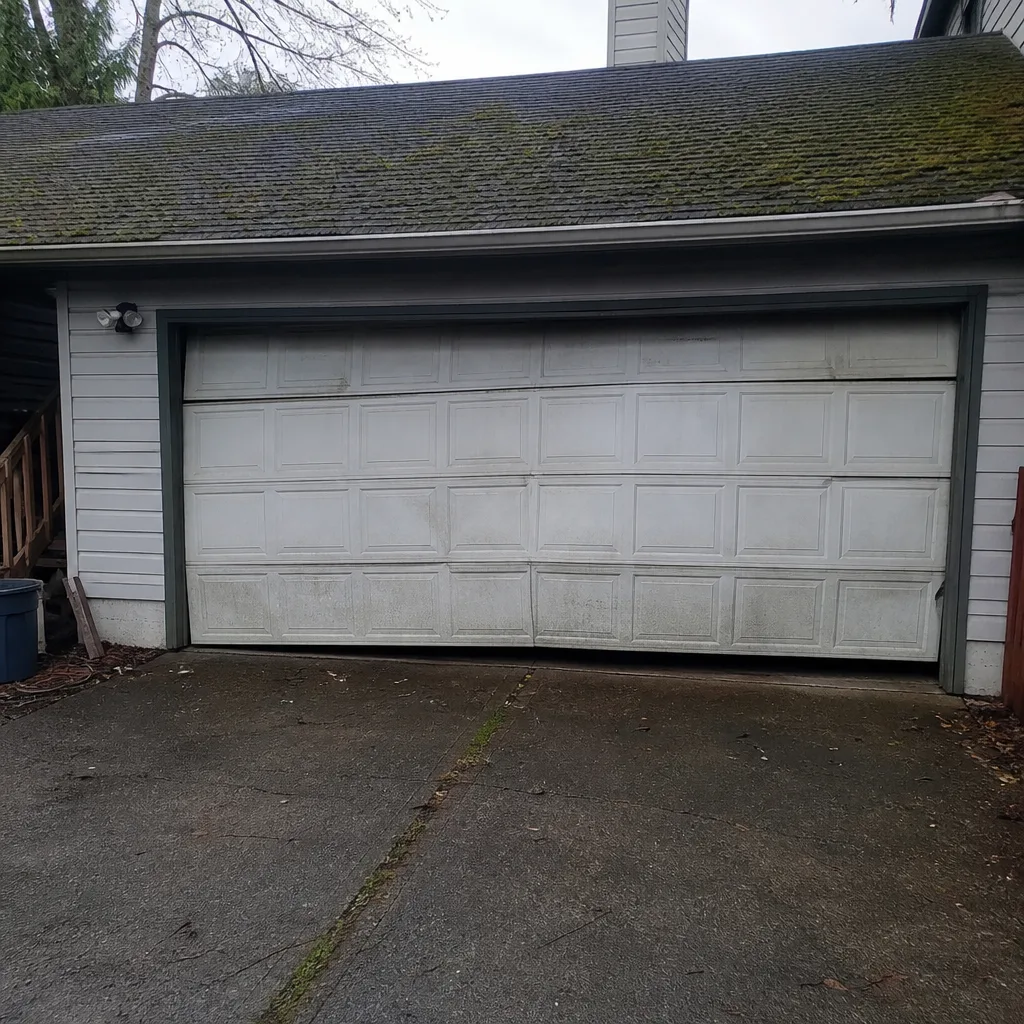 Before
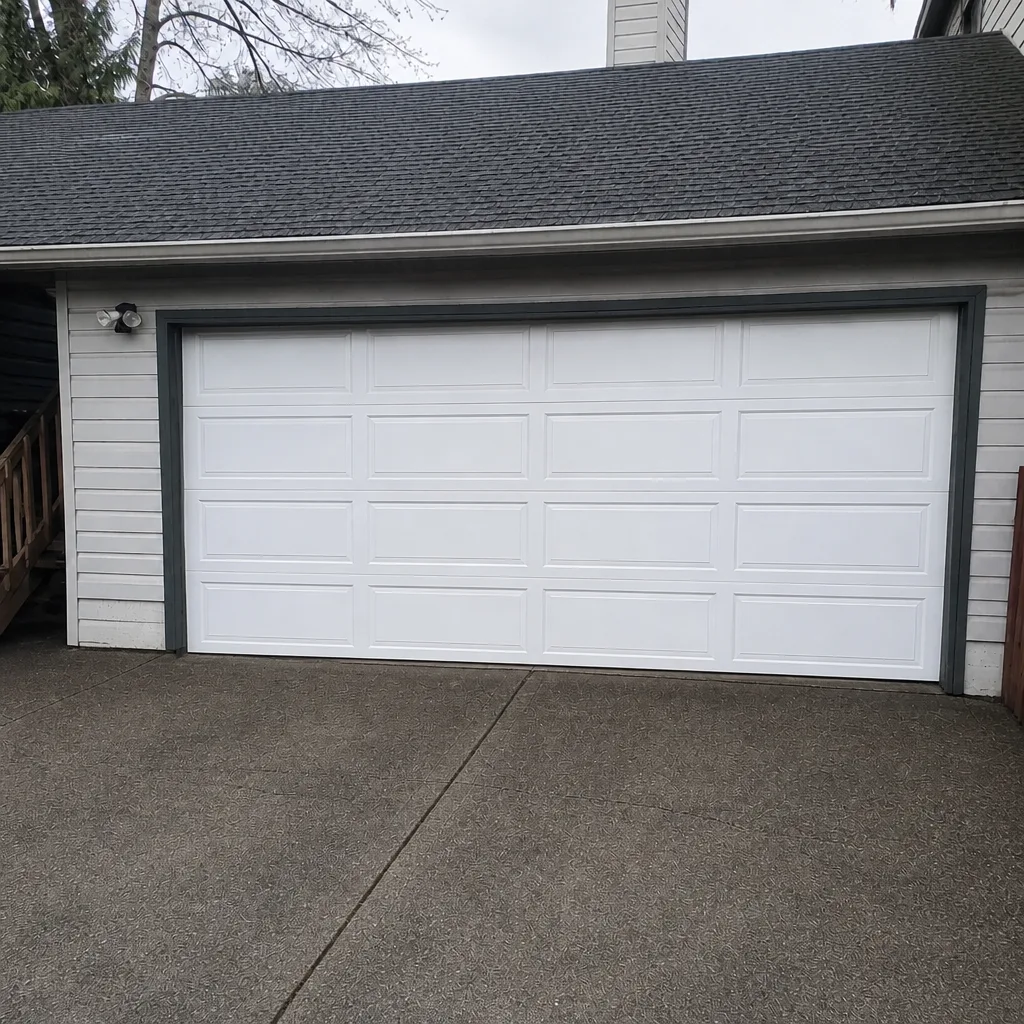 After
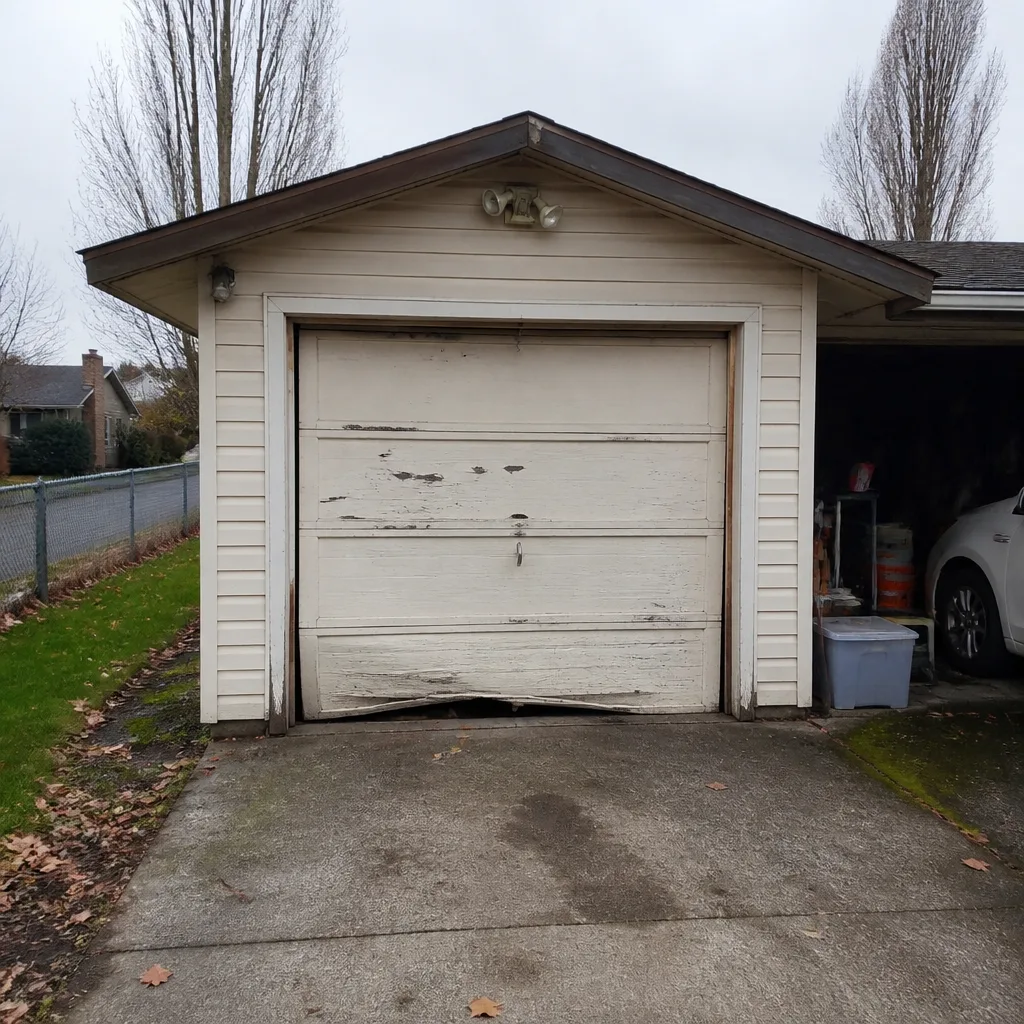 Before
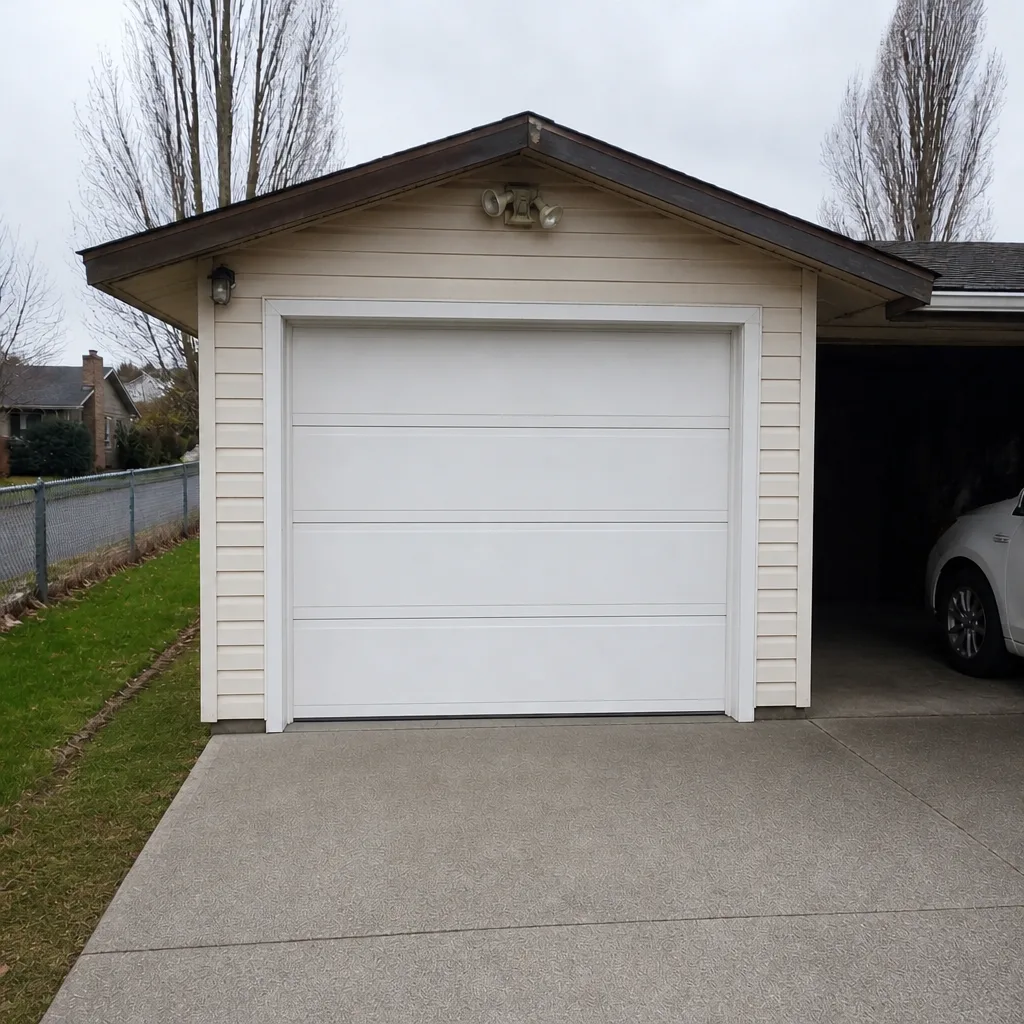 After
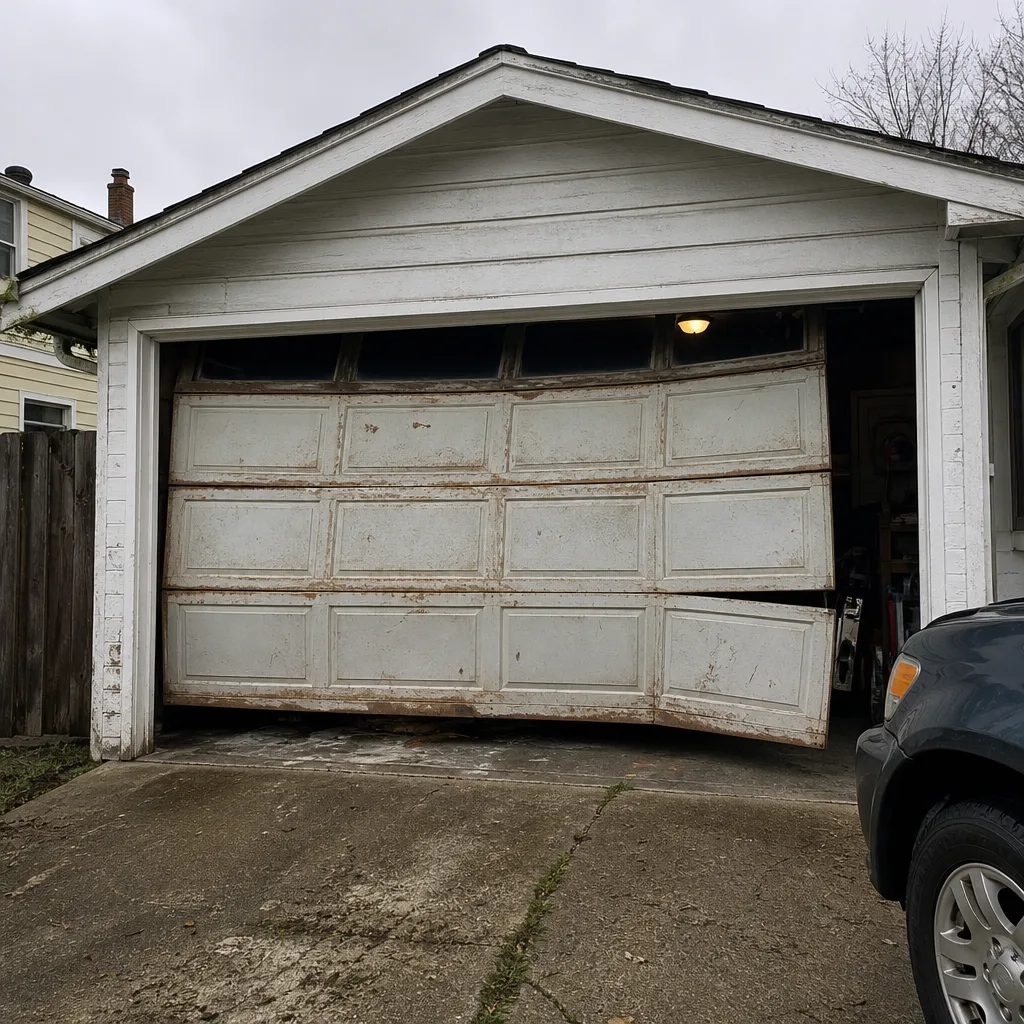 Before
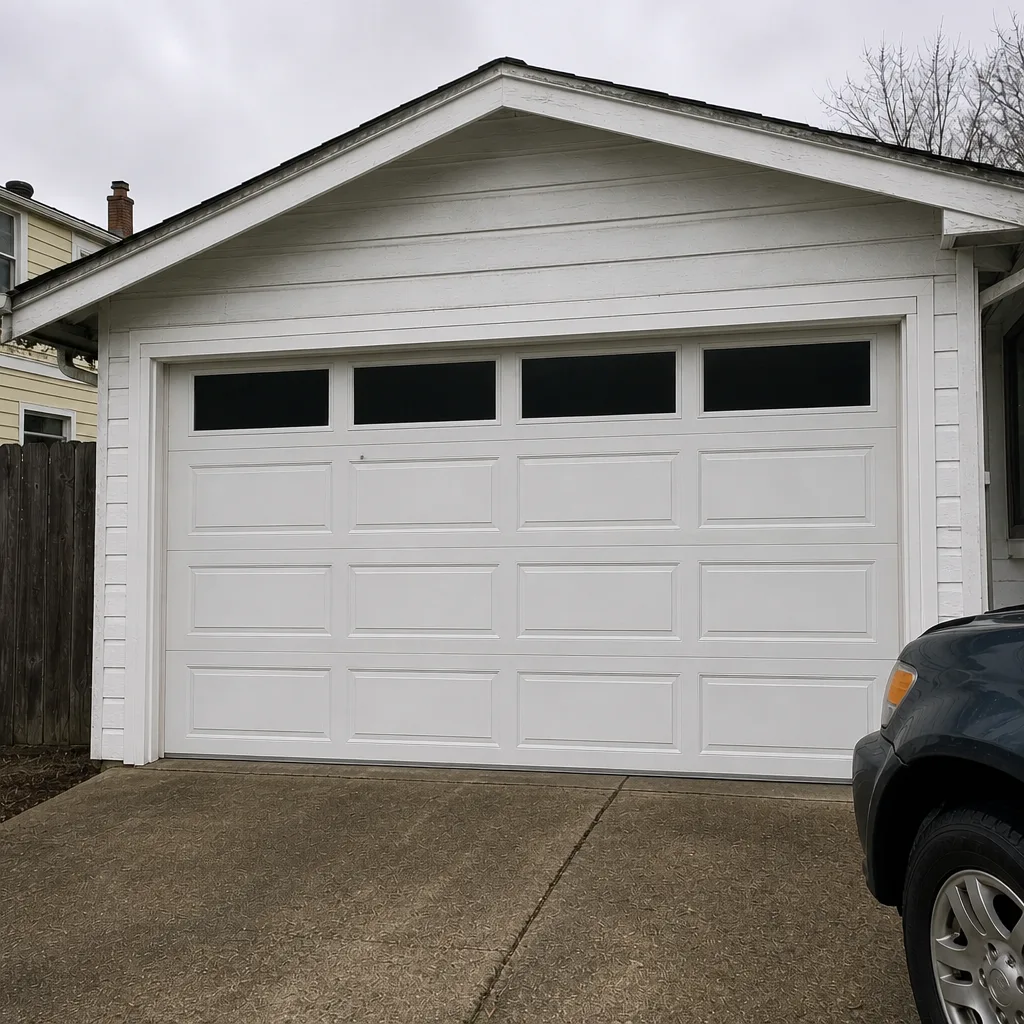 After
When to Call a Professional
Call a professional the moment you see a frayed cable, a snapped spring, a door off its track, or a door that won’t close and stay down. Those are safety situations where using the door can lead to injury or a crushed vehicle. Schedule a visit within two weeks for persistent grinding, hesitation, sagging, rust streaks, panel bow, or a reverse that happens at the same height every time – these are the warning signs that say a specific part is failing but hasn’t yet failed. Any door that’s over ten years old and showing multiple signs at once deserves a full inspection rather than a single-part fix, and any opener problem you can’t diagnose within five minutes is worth a technician’s eyes.
Kent Garage Door Repair Pros works on LiftMaster, Chamberlain, Genie, Craftsman, Clopay, Amarr, Wayne Dalton, and Raynor equipment, so an expert can diagnose the actual make and model rather than guessing. We offer free estimates in Kent – call (877) 606-8952 to schedule one.
Frequently Asked Questions
Grinding noise on travel, and it’s usually the roller bearing rather than the motor. Kent’s wet climate accelerates surface rust on rollers and their stems, so a door that starts grinding in late fall is typically showing roller wear that’s been building through the wet season. Replacing the worn rollers early is far cheaper than waiting for a seized roller to gouge the track.
No. A door that reverses at the same point in travel every time usually has a spring imbalance, not a sensor failure. The balance issue causes the door’s actual travel to exceed the opener’s programmed limit, which triggers the auto-reverse. Sensors trip when the beam is broken, which is close to the ground. If you test the sensors and the reverse still happens mid-travel, have the springs checked by a technician.
Lubricating hinges, rollers, and the torsion tube bearing plates with a garage door lubricant is a reasonable homeowner task. A noise that returns within a week or two, however, points to a specific worn part rather than a lubrication issue, and that needs professional diagnosis. If the sound is popping rather than squeaking, don’t try to lubricate it away – have the spring inspected first.
Look for a visible gap in the torsion spring coil above the door, or an obvious break in an extension spring along the side track. A door that suddenly won’t lift at all after a loud pop is the classic sign of a broken torsion spring. Never attempt to test the spring by hand – call a technician immediately and stop using the door.
Grinding, hesitation, and rust streaks can usually wait one to two weeks if you schedule a service visit and stop ignoring them. Frayed cables, a snapped spring, a door off its track, or anything that won’t stay down are same-day calls – not next-week calls. When you’re between the two tiers, treat the sign as more urgent. A technician’s diagnostic visit is far cheaper than a door that fails while a car is underneath it.
Metal does become more brittle in cold temperatures, which is part of why a fatigued spring that’s been holding together through fall often pops in a cold snap. Kent’s winter nights below freezing combined with daytime thaw create the freeze-thaw conditions that also warp tracks and shift balance. A pre-winter inspection catches most of these before a cold morning turns into a stranded car. Free estimates are available – call (877) 606-8952.
The Bottom Line
Garage door failures almost never happen without warning. The grinding, the squeak, the pop, the sag, the cable that won’t stay taut, and the seal that’s lost its grip are all specific parts announcing themselves before they fail. Read the noise before assuming it’s the motor, watch the travel before assuming it’s a sensor, and look at the parts before assuming the door is just old. The stop-using-it-today signals are spring, cable, balance, and mounting failures – everything else can be scheduled. For Kent homes, do the sound-and-sight walkthrough twice a year, once before the wet season and once after the freeze. If you’re seeing more than one sign at a time, or you’re not sure which tier you’re in, call us.
We work on your brand – LiftMaster, Chamberlain, Genie, Clopay, Amarr, Wayne Dalton, Craftsman, and Raynor – so a technician arrives knowing the specific system rather than guessing. One company covers repair, opener repair, spring repair, and full installation. Kent Garage Door Repair Pros offers free estimates, and the written quote sets the price before any work starts. Call (877) 606-8952 today for a free estimate on any warning sign on this guide.
Written by the team at Kent Garage Door Repair Pros.