Last updated November 21, 2026
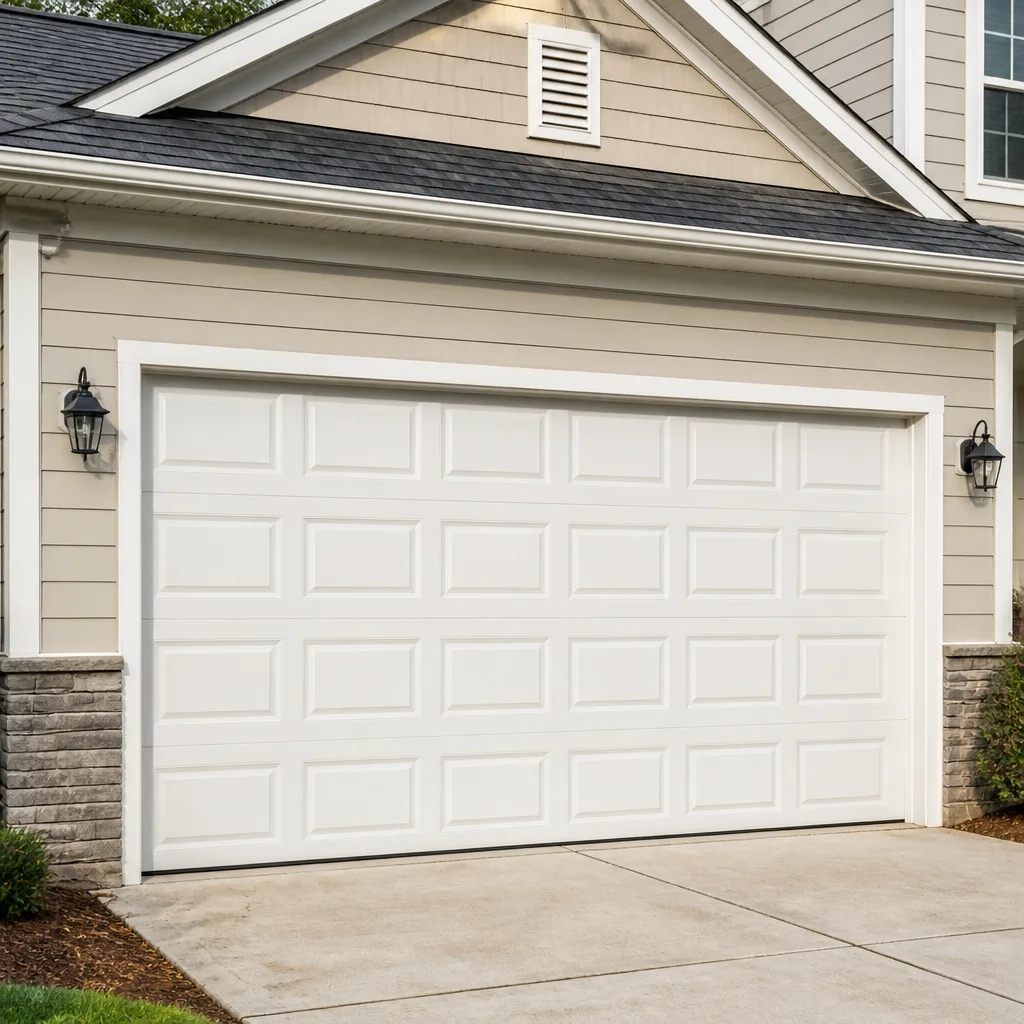 Raised-panel steel
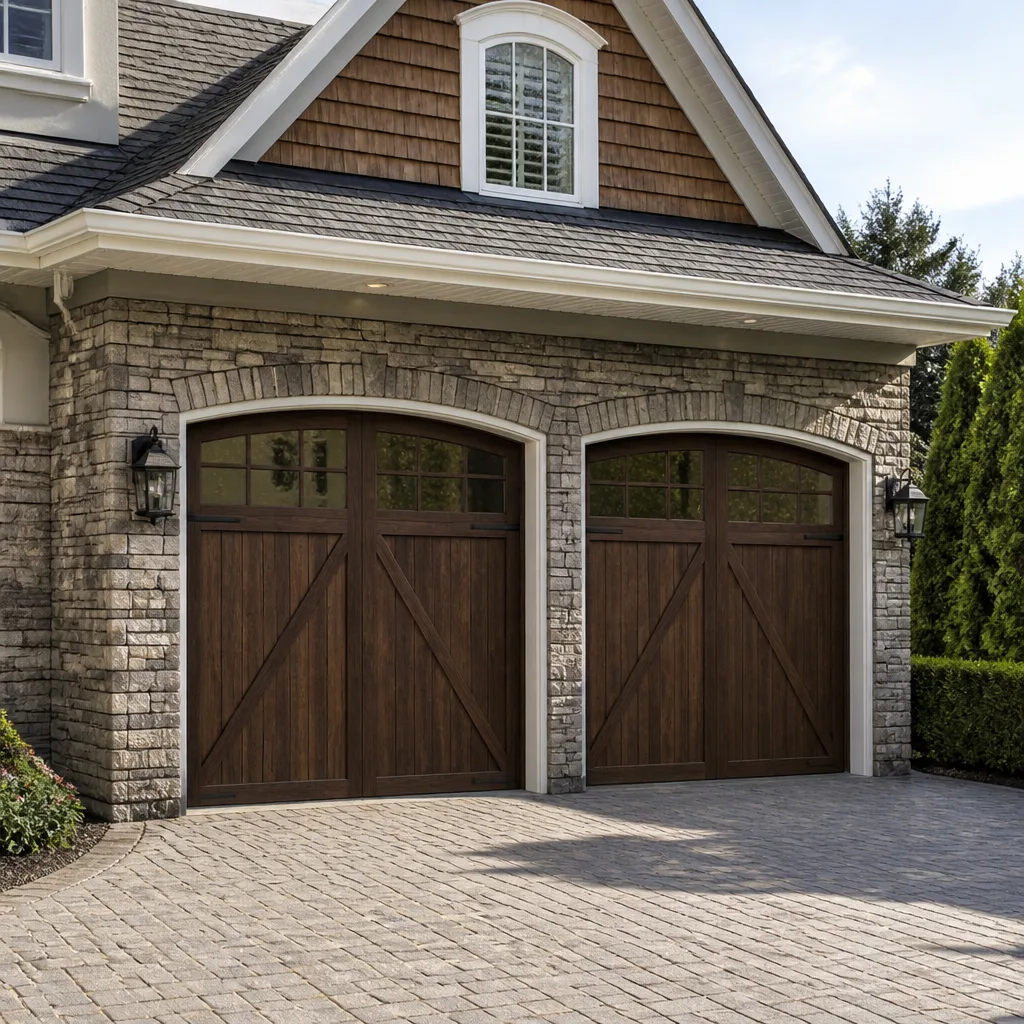 Carriage house
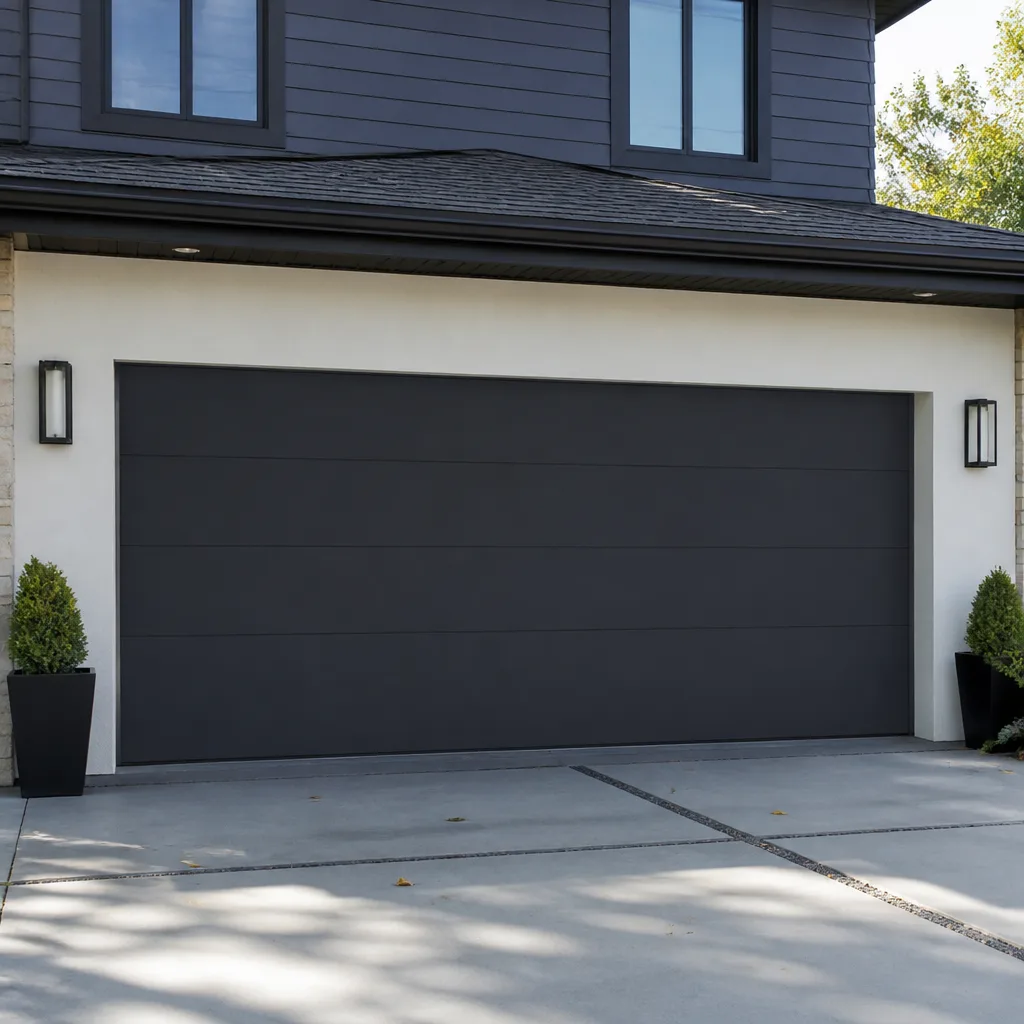 Modern flush
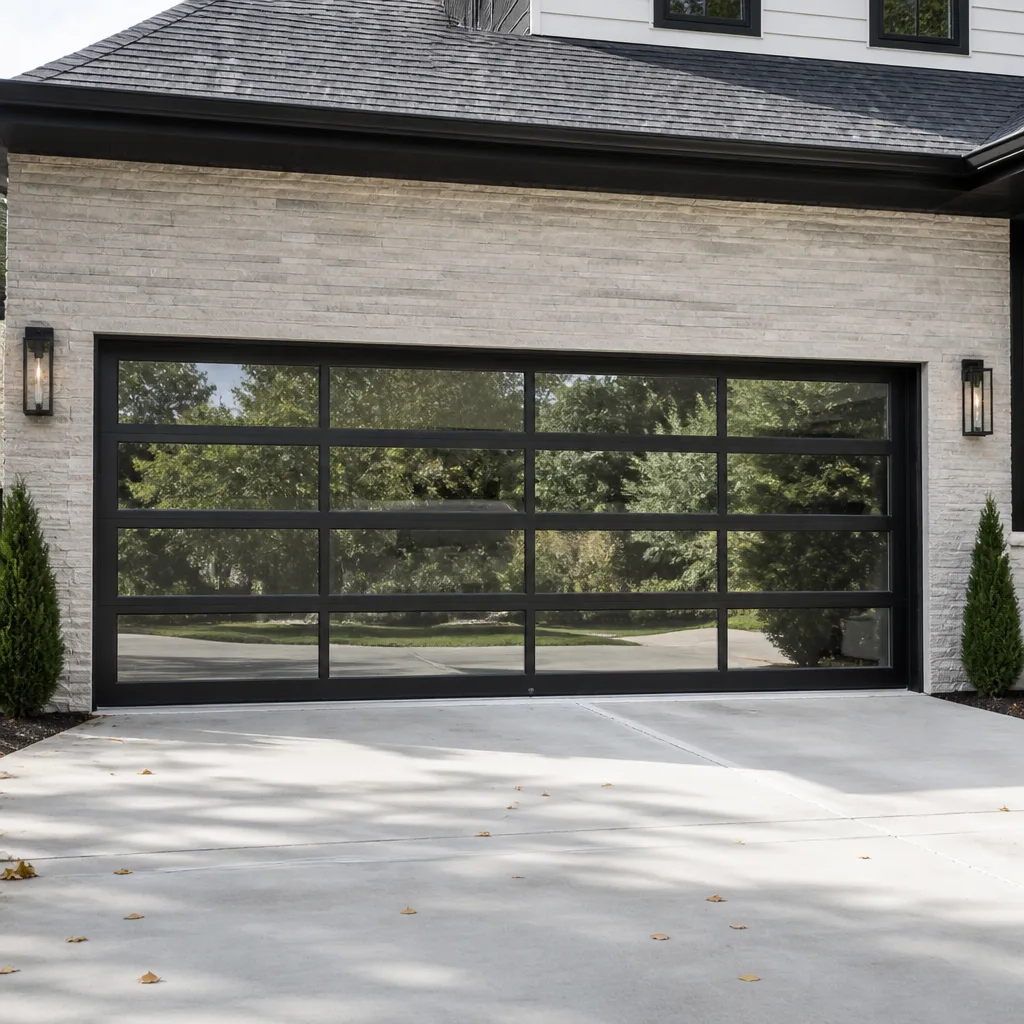 Full-view glass
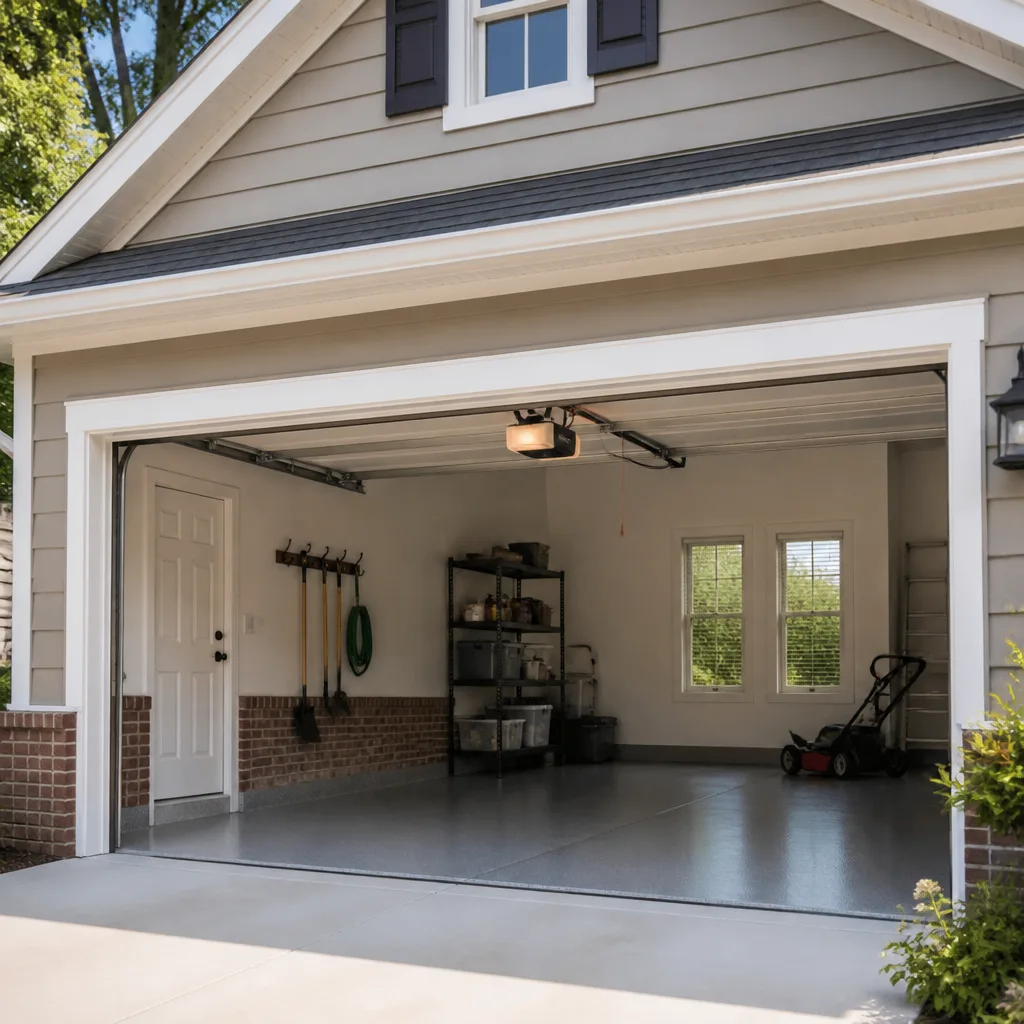 LiftMaster openers
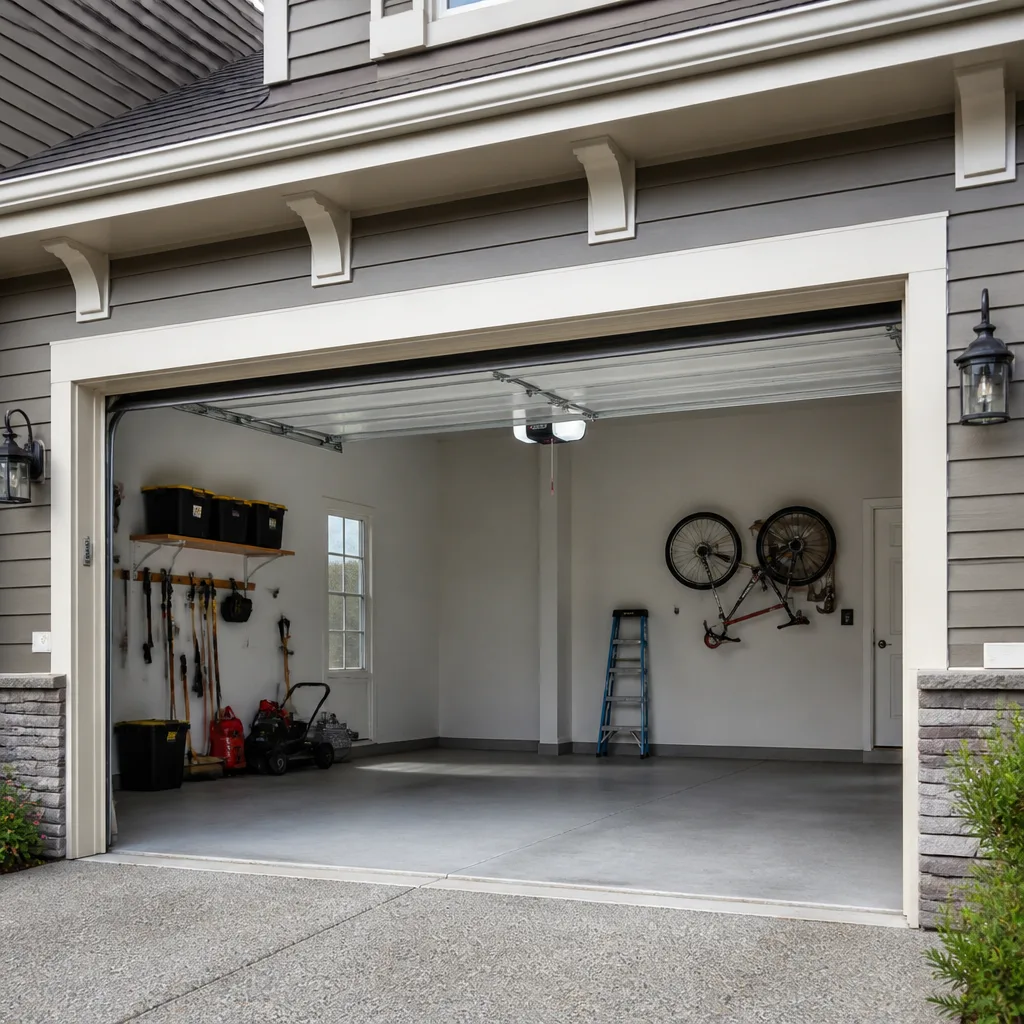 Chamberlain openers
Full 25-point door and opener safety check with every visit - springs, cables, rollers, tracks, and your LiftMaster or Chamberlain opener included
You get a price before we start. It does not change when the pro arrives.
Get your free estimateSeasonal Garage Door Care for Kent: Year-Round Homeowner’s Guide
Most garage door advice assumes you live somewhere with brutal winters or scorching dry heat. Kent doesn’t work that way. Our climate is mild on paper, but it’s wet, and it stays wet for long stretches. That steady moisture does slow damage to seals, steel panels, and hardware that homeowners in drier places simply never deal with. The frustrating part is that the damage happens quietly, so you don’t notice until a seal is shot or rust has already taken hold. This guide walks through what each season actually does to your door in Kent, what to check, and when to stop fiddling and call someone.
Styles & brands we work with
- Raised-panel steel
- Carriage house
- Modern flush
- Full-view glass
- LiftMaster openers
- Chamberlain openers
Quick Answer
Garage door care in Kent follows a wet-season and dry-season rhythm rather than a freeze-and-thaw one. The single most valuable habit is a fall reset: clear the bottom seal path, check drainage around the apron, and have cables and hardware inspected in October before the rain settles in. Spring is for catching rust, summer is for UV and sealant checks, and winter is when cold snaps stress spring tension and opener force settings.
Table of Contents
- Why Kent’s Climate Asks for a Different Maintenance Calendar
- Fall Prep: Getting Ahead of the Wet Season
- Winter: What Cold Snaps Really Do to Your Door
- Spring: Catching Rust Before It Sets
- Summer: UV, Sealants, and Composite Panels
- The October Reset: Why Cable and Hardware Inspection Belongs in Fall
- Brand-Specific Care: LiftMaster, Wayne Dalton, Craftsman, Raynor
- Common Mistakes to Avoid
- When to Call a Professional
- Frequently Asked Questions
- The Bottom Line
Why Kent’s Climate Asks for a Different Maintenance Calendar
Kent averages about 149 rainy days a year. That number doesn’t sound dramatic compared to a place with blizzards, but it tells you something important: your garage door spends nearly half the year wet or drying out. Moisture stress isn’t a single event you can prepare for. It’s a slow, continuous load on the bottom seal, the weather stripping, and any bare steel on the door.
A door in a dry climate might sit untouched for years and show nothing. A door in Kent starts showing its age in the places water reaches first. The bottom seal flattens and stiffens. The threshold collects grit and standing water. Panel seams hold moisture longer than the flat faces do. None of this fails overnight, which is exactly why it’s easy to ignore until it’s expensive.
Kent also sits in a stretch of the Pacific Northwest that gets occasional ice events in winter. Not many, but enough that a door which ran fine in November can act up in a cold snap. The combination of sustained wet and intermittent cold is what makes a seasonal routine worth the effort here. You’re not fighting extreme weather. You’re managing moisture and the few cold snaps that catch people off guard.
One more local factor: a lot of Kent homes have garages that face a driveway apron with a slight slope, and drainage around that apron matters more than most people realize. If water pools against the bottom of the door after a heavy rain, no seal on the market will hold up for long. That’s a drainage question as much as a door question, and it’s worth walking your apron after the first big storm of the season to see where water actually goes.
In our experience, homeowners who adopt a simple seasonal rhythm get far more years out of their doors than those who only react when something breaks. The work itself is modest. It’s the timing that matters.
Fall Prep: Getting Ahead of the Wet Season
Fall is the most important season for garage door care in Kent, and it’s the one most homeowners skip. The goal is to get the door ready before the rain settles in for months, not after. Here’s what a solid fall routine looks like.
- Clear the bottom seal path. Sweep leaves, grit, and debris out of the track where the bottom seal meets the floor. Debris trapped under the seal holds moisture against the rubber and the threshold, which is how seals fail early. Get it out before the rain starts driving it into the corners.
- Check drainage around the apron. After a heavy rain, look at whether water pools against the bottom of the door. If it does, the seal is fighting a losing battle. Redirecting water away from the apron is often more useful than replacing the seal again.
- Inspect the bottom seal and weather stripping. Run a hand along the bottom seal and look for flattening, cracking, or gaps at the corners. Check the side and top weather stripping too. These are the parts that take the moisture load all winter.
- Look at the panel seams. Seams and the bottom edge of the door are where moisture sits longest. Any bubbling paint or dull gray spots are worth noting now, before they have a whole wet season to grow.
- Cycle the door and listen. Run it up and down a few times. Grinding, popping, or a door that hesitates are all easier to deal with in October than in January.
If you’d rather have the whole system looked at by someone who knows what to check, garage door repair in Kent includes a diagnostic pass that covers the seal, the tracks, the hardware, and the opener. Fall is the right time to schedule it. You’re getting ahead of the wet season rather than reacting to a failure in the middle of it.
The last thing worth doing in fall is checking the balance of the door by hand. Disconnect the opener and lift the door halfway. A balanced door should stay roughly where you put it. If it drops or rises on its own, the springs are telling you something, and it’s better to know that in October than to find out on a cold morning.
Winter: What Cold Snaps Really Do to Your Door
Kent winters aren’t long freezes. They’re mild stretches broken by occasional cold snaps, and that pattern stresses a garage door in a particular way. Torsion springs are steel under constant tension. When the temperature drops, the steel contracts slightly and the tension changes. A spring that was perfectly balanced at 45 degrees can feel noticeably stiffer at 25. That’s not a defect. It’s physics.
What homeowners usually notice first is that the door seems heavier or the opener sounds like it’s working harder. That’s the cold affecting both the spring tension and the lubricant in the tracks and rollers. Here’s how to handle it without making things worse.
- Don’t adjust the springs yourself. Torsion springs are under extreme tension. Adjusting them is the most dangerous job in the trade and requires the right tool and training. This is a hard rule, not a suggestion.
- Opener force settings are the safer adjustment. If your opener is straining in cold weather, the force setting may need a small tweak. This is a legitimate adjustment and one we handle regularly. But if the door ran fine last winter and doesn’t now, the symptom usually points to a hardware issue, not a setting that drifted.
- Watch for frozen seals. If the bottom seal sticks to the floor on a cold morning, it can tear when the door lifts. A light application of a rubber-safe lubricant on the seal helps, and a torn seal should be replaced before it lets water in.
- Keep the tracks clean. Cold weather makes grit in the tracks more abrasive. A wipe-down before the first cold snap goes a long way.
If your door won’t open or close properly in cold weather, that’s a repair issue, not a maintenance one. Our garage door opener repair covers force-setting adjustments and diagnostics on LiftMaster, Chamberlain, Genie, and Craftsman openers. We’d rather look at it than have you force it. A door pushed past its limit in the cold can bend a panel or strip a gear, and that turns a small fix into a bigger one.
Spring: Catching Rust Before It Sets
Spring in Kent is when the wet season’s work shows up. Rust doesn’t form overnight; it builds through months of moisture exposure and then becomes visible as things start to dry out. The areas to check are predictable, and catching rust early is far cheaper than treating it after it’s compromised the steel.
Start at the bottom of the door and work up. The bottom edge and the lower panel seams are where rust appears first, because that’s where water sits longest and where splash from the apron reaches highest. Look for dull gray patches, bubbling paint, or a rough texture under the paint. Those are early signs. If you catch them before the metal is pitted, a light sanding and a rust-inhibiting primer will usually stop it. Once it’s pitted, you’re looking at panel replacement.
Hardware is the other rust zone. Hinges, rollers, and the bottom bracket all sit close to the moisture and take the worst of it. Rusted hinges bind, and bound hinges put extra load on the opener and the springs. A small can of garage door lubricant and ten minutes in spring prevents most of this.
While you’re out there, check the tracks for rust spots and wipe them down. Don’t lubricate the tracks themselves; they’re meant to run dry so the rollers can move freely. Lubricate the rollers, hinges, and the spring coils instead. This distinction trips up a lot of homeowners, and it matters.
If you find rust that’s more than surface-level, or you’re not sure whether a panel is still structurally sound, that’s a good point to have someone look. Our technicians have up to 10 years of experience diagnosing exactly this kind of wear, and they’ll tell you honestly whether it’s a treat-and-monitor situation or a replacement. If replacement is the answer, garage door installation in Kent covers everything from a single panel swap to a full door replacement, and we work with Clopay, Amarr, Wayne Dalton, and Raynor systems.
Summer: UV, Sealants, and Composite Panels
Kent summers bring strong UV, and after a wet spring the sun does a specific kind of damage. Wood composite panels are the most vulnerable. The composite itself holds up well, but the sealant and paint on it take a beating from UV, and once they crack, moisture gets into the composite and the cycle starts over. Summer is the time to check sealant and paint before the dry season accelerates any cracking.
Walk around the door and look for:
- Chalky or faded paint on composite and wood panels, which signals the finish is breaking down.
- Hairline cracks around panel edges and at the joints, where sealant tends to fail first.
- Shrinking or pulling weather stripping at the sides and top, which happens as rubber dries out in the heat.
- Loose or brittle seals around windows if your door has them.
Re-caulking and touching up paint in summer is straightforward work and it buys you another wet season of protection. If you leave it, the damage compounds: UV cracks the sealant, fall rain gets in, and by next spring you’re looking at a panel that needs replacing instead of a coat of paint.
Summer is also a good time for a general opener check. Run the safety reverse test by placing a small object in the door’s path and confirming the door reverses. Test the photo-eye sensors by waving something in front of them while the door closes. These are quick tests, and if either fails, the opener needs attention before winter. Our garage door opener repair team handles safety-reverse and sensor issues on all the major opener brands, and it’s a far easier fix in July than in a January cold snap.
The October Reset: Why Cable and Hardware Inspection Belongs in Fall
If you only do one thing all year, make it this: a cable and hardware inspection in October. It’s the task that resets the whole system, and fall is when it belongs. There’s a simple reason. Cables and hardware are what hold the door’s weight and keep it tracking straight. They take the most stress and they fail most often in the wet season, when moisture works on the steel and cold snaps add load. Inspecting them in October means you find wear before the season that stresses them most, not after something has already broken.
Why not spring? Because a spring inspection tells you about wear that already happened over the winter. An October inspection tells you what’s about to happen. You get to fix it on your schedule instead of on a cold morning when the door won’t open.
Here’s what a thorough October reset covers:
- Cables. Look for fraying, kinks, or rust along the length. Cables are under tension and a frayed cable can snap without warning. This is not a DIY check beyond a visual look; don’t touch a cable under tension.
- Drums and the bottom bracket. Check for looseness and rust. These parts are under load and should be inspected by a trained technician.
- Hinges and rollers. Look for binding, flat spots, and rust. Lubricate the hinges and rollers, not the tracks.
- Springs. Look for gaps, rust, or a door that’s visibly out of balance. Do not adjust springs yourself under any circumstances.
- Tracks. Check for dents, misalignment, and debris. A bent track will wear out rollers fast.
- The opener. Test the safety reverse and the sensors, and listen for unusual noise during a cycle.
We handle this reset as a routine service, and it’s the kind of work that keeps a door running for years longer than it would otherwise. If you’re in Kent and want it done before the rain, this is the season to book it.
Brand-Specific Care: LiftMaster, Wayne Dalton, Craftsman, Raynor
Generic maintenance advice gets you partway, but the specifics of your door and opener matter. We work on eight of the most widely installed garage door and opener brands in the country, and the maintenance quirks differ from one to the next. Here’s what we see most often in Kent.
LiftMaster openers are common and generally reliable, but their force settings and safety-reverse behavior need checking as the door ages and the seasons shift. A LiftMaster that worked all summer can start straining in a cold snap, and the fix is usually a small adjustment plus a hardware check. Wayne Dalton doors, especially the composite and steel models, show UV wear on panel finishes faster than some others, so the summer sealant check matters more for those. Craftsman openers are everywhere in older Kent homes, and their legacy models often need parts that require knowing the exact model rather than guessing. Raynor doors tend to be solid, but their hardware benefits from a careful October inspection because the moving parts wear predictably.
Knowing the make and model is the difference between a diagnosis and a guess. When we look at a door, we identify the system first and then work from what that specific equipment actually needs. That’s the advantage of being a multi-brand specialist rather than a single-line dealer.
If your door or opener is a brand you’re not sure about, that’s fine too. Tell us what you can see on the label and we’ll take it from there. For anything beyond routine maintenance, Kent Garage Door Repair Pros covers repair, opener work, springs, and installation, so the same call handles whatever the inspection turns up.
Common Mistakes to Avoid
Most of the expensive garage door problems we see in Kent trace back to a handful of avoidable mistakes. Here are the ones that come up most.
- Ignoring the bottom seal until it fails. The bottom seal is your first line of defense against moisture, and it’s cheap to replace. Waiting until it’s torn and letting water in for a season costs far more than the seal itself.
- Lubricating the tracks. Tracks are meant to run dry. Lubricant in the tracks attracts grit and makes rollers bind. Lubricate the hinges, rollers, and springs instead.
- Adjusting the torsion springs yourself. This is the single most dangerous mistake a homeowner can make. Springs are under extreme tension and can cause serious injury. Leave them to a trained technician.
- Skipping the October cable inspection. Cables fail in the wet season, and a visual check in October catches wear before it becomes a broken door. It’s the highest-value maintenance task of the year, and it’s the one most people skip.
- Assuming a door is fine because it still opens. A door that runs but sounds wrong, hesitates, or feels heavy is telling you something. Catching it early is the whole point of a seasonal routine.
- Waiting for spring to check rust. Rust that formed over the wet season is much easier to treat in early spring before the dry weather sets it. If you wait until summer, you’re treating damage instead of preventing it.
- Letting drainage issues go. If water pools at the apron, no seal will last. Fix the drainage and the seal, in that order.
When to Call a Professional
Some maintenance is genuinely DIY: sweeping the seal path, lubricating hinges, checking the safety reverse, and touching up paint. But several situations call for a trained technician, and pushing past them is how small problems become dangerous ones. Call a professional if you notice frayed or kinked cables, a door that’s visibly out of balance, springs with gaps or rust, a door that won’t open or close, unusual grinding or popping, or an opener that fails the safety-reverse test. Cold-weather door problems and rust that’s past surface level are also worth a look. Spring and cable work in particular is genuinely dangerous, and no amount of online instruction makes it safe to do yourself.
Kent Garage Door Repair Pros offers free estimates in Kent – call (877) 606-8952. We work on your brand, whether that’s a LiftMaster opener, a Wayne Dalton door, a Craftsman system, or a Raynor installation.
Frequently Asked Questions
Four times a year is the right rhythm here, with a bigger reset in October. Fall is for clearing the seal path and checking drainage before the wet season; winter is for watching cold-snap behavior; spring is for catching rust; summer is for UV and sealant checks. The October cable and hardware inspection is the most important single task. If you’d rather have it done for you, call (877) 606-8952 for a free estimate.
The steel contracts slightly and the tension changes, so the door can feel heavier and the opener may strain. That’s normal physics, not a defect. The right response is to check the opener force setting or have the hardware inspected, never to adjust the springs yourself. Call (877) 606-8952 if your door acts up in cold weather.
About 149 rainy days a year means the door spends much of the year wet or drying, so moisture sits in seams and on hardware for long stretches. Rust forms slowly and shows up in spring. Catching it early with a sanding and rust-inhibiting primer usually stops it. If it’s pitted, call (877) 606-8952 for an honest assessment.
October, not spring. Cables and hardware take the most stress and fail most often in the wet season, so an October inspection finds wear before the season that stresses them most. A spring inspection tells you what already happened; an October one tells you what’s coming. Call (877) 606-8952 to schedule the reset.
No. Torsion springs are under extreme tension and adjusting them is genuinely dangerous. A heavy or uneven door should be inspected by a trained technician who can check the spring, cable, and hardware together. Call (877) 606-8952 and we’ll look at it safely.
We service eight of the most widely installed garage door and opener brands: LiftMaster, Chamberlain, Genie, Clopay, Amarr, Wayne Dalton, Craftsman, and Raynor. That means we identify the make and model and diagnose what that specific system needs rather than guessing. Call (877) 606-8952 to book a free estimate.
The Bottom Line
Kent’s climate doesn’t demand heroic garage door care, but it does reward a simple seasonal rhythm. Fall is for getting ahead of the wet season: clear the seal path, check drainage, inspect the seal and weather stripping, and book the October cable and hardware reset. Winter is for watching cold-snap behavior and letting a technician handle spring and opener adjustments. Spring is for catching rust early. Summer is for UV and sealant checks before the dry weather cracks them further. Do those four things and your door will outlast one that only gets attention when something breaks. And when a job involves springs, cables, or anything under tension, stop and call us.
Whether you need a seasonal inspection, a repair, opener work, or a new door, Kent Garage Door Repair Pros is here to help. We work on your brand, we quote the price before any work starts, and we’ll tell you honestly what your door actually needs. Call (877) 606-8952 for a free estimate in Kent.
Written by the team at Kent Garage Door Repair Pros.
See the difference
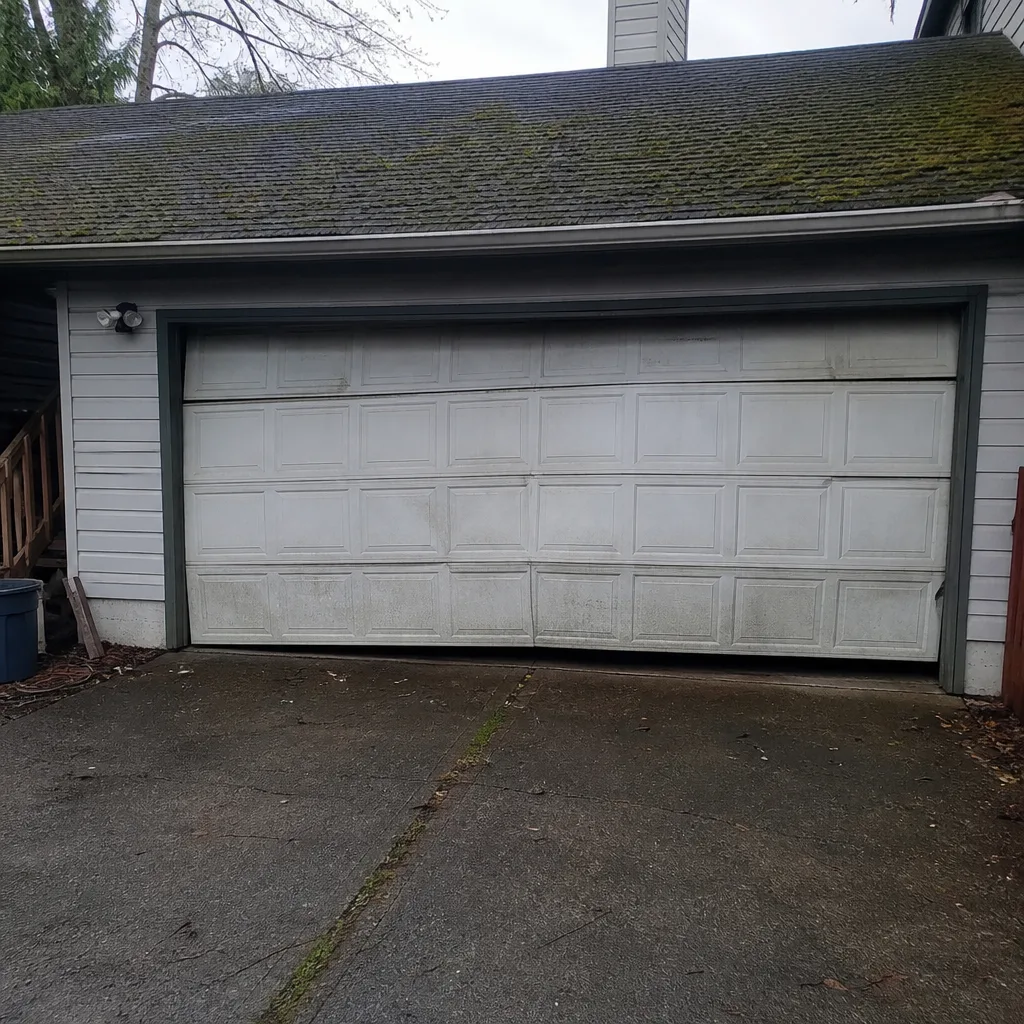 Before
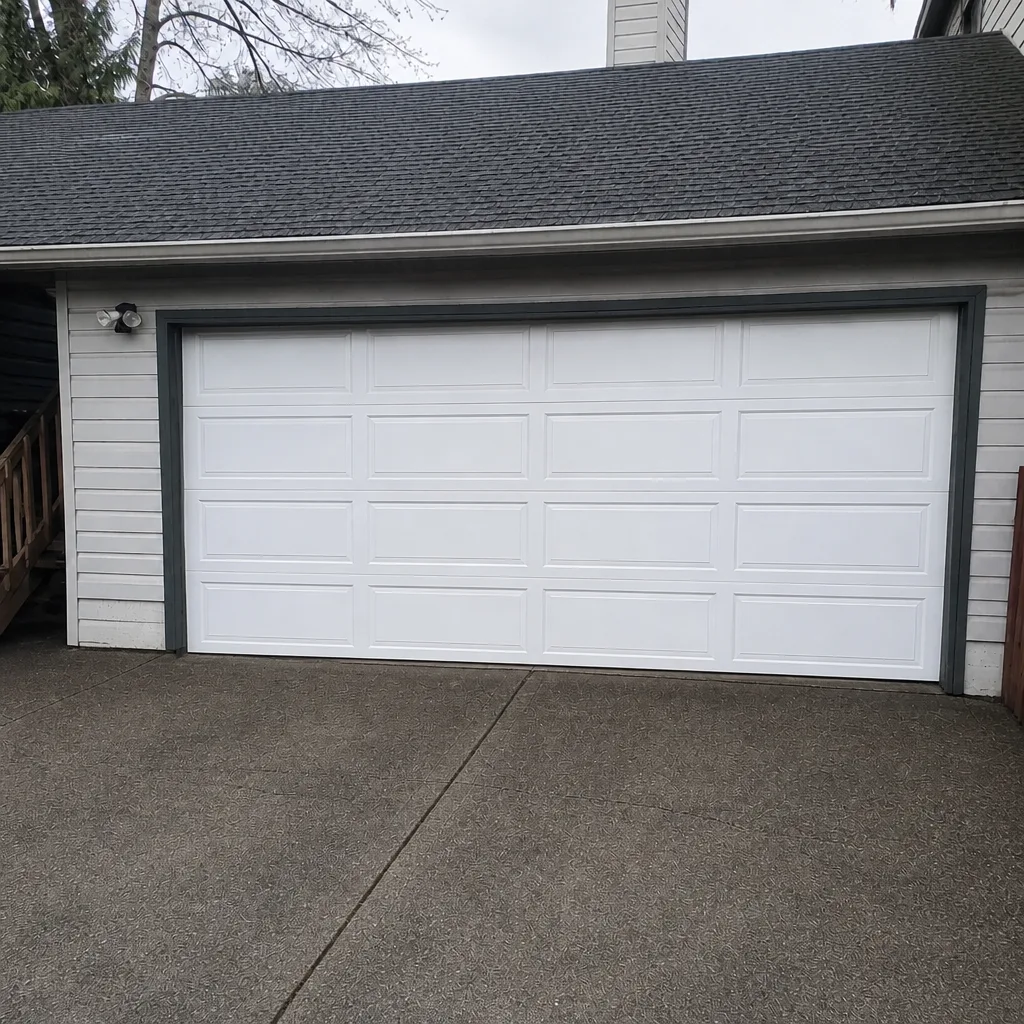 After
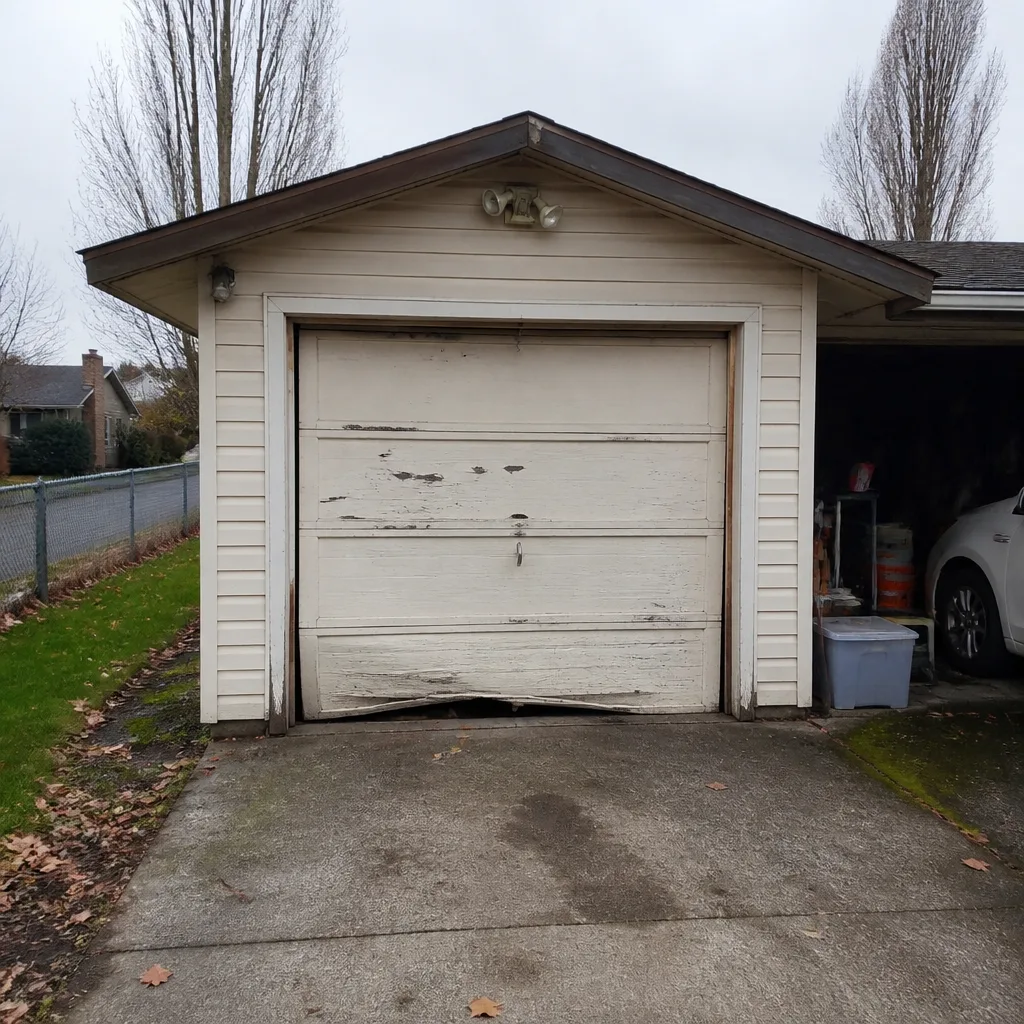 Before
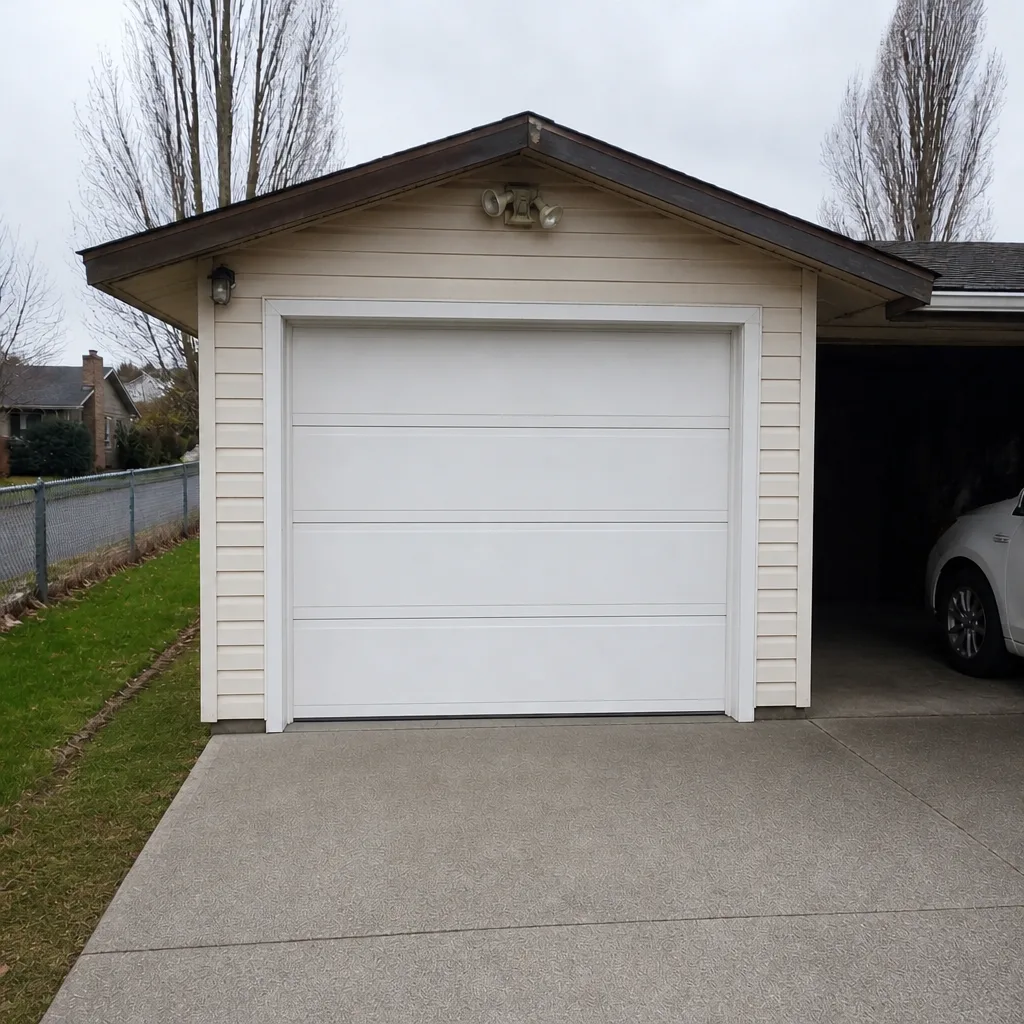 After
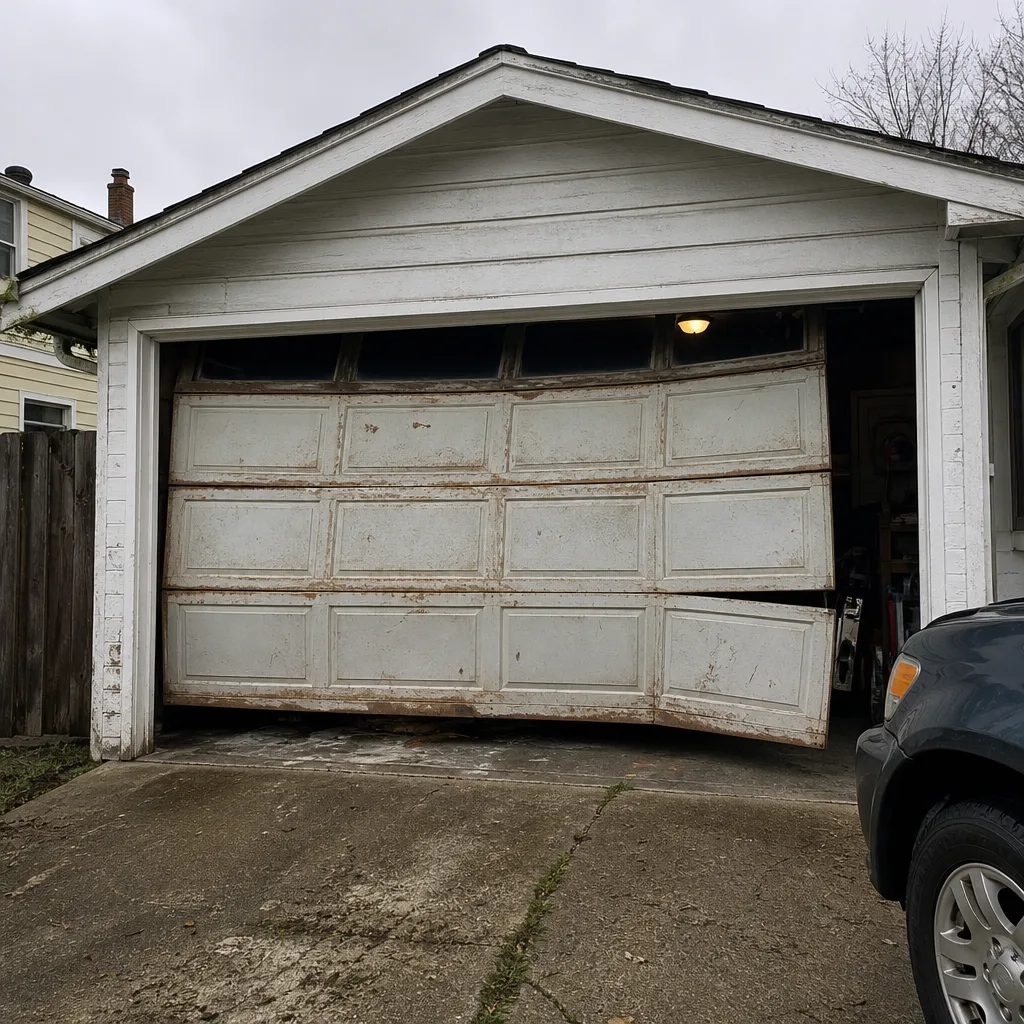 Before
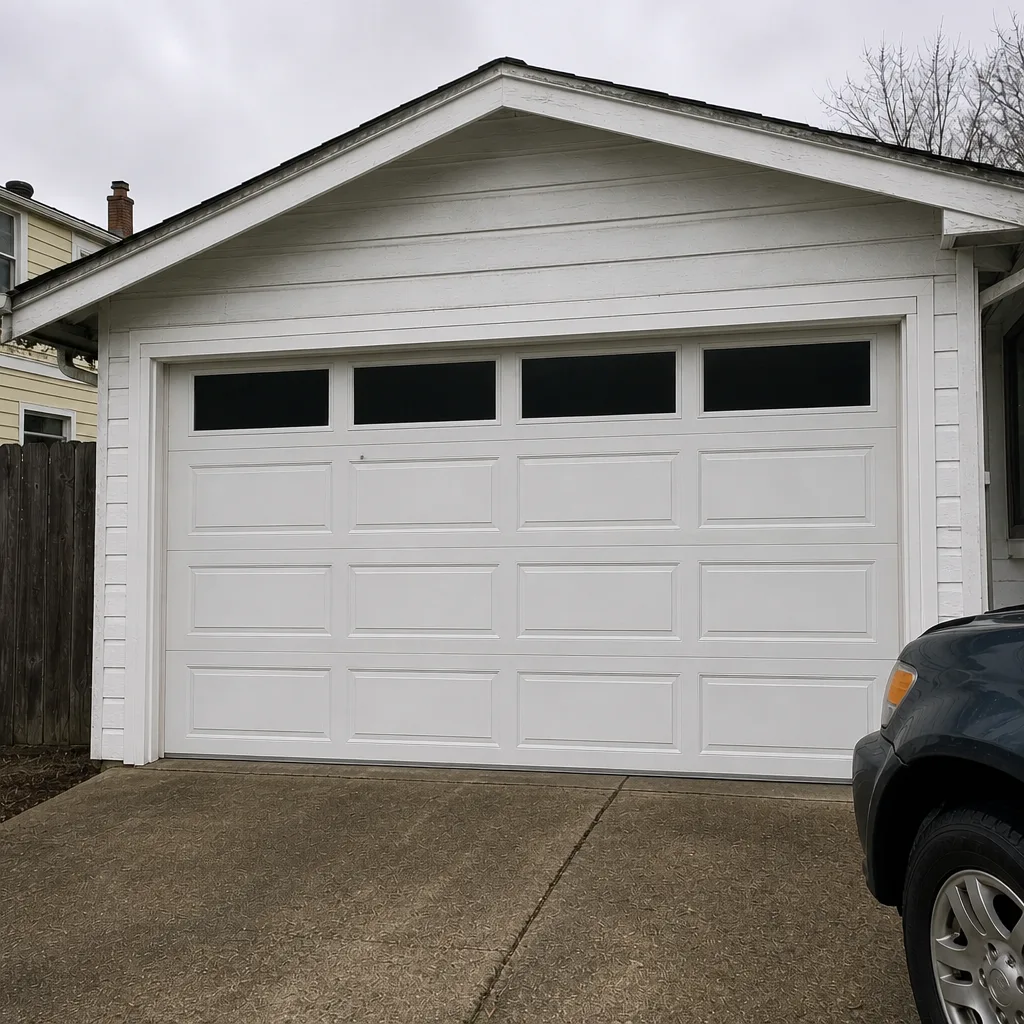 After